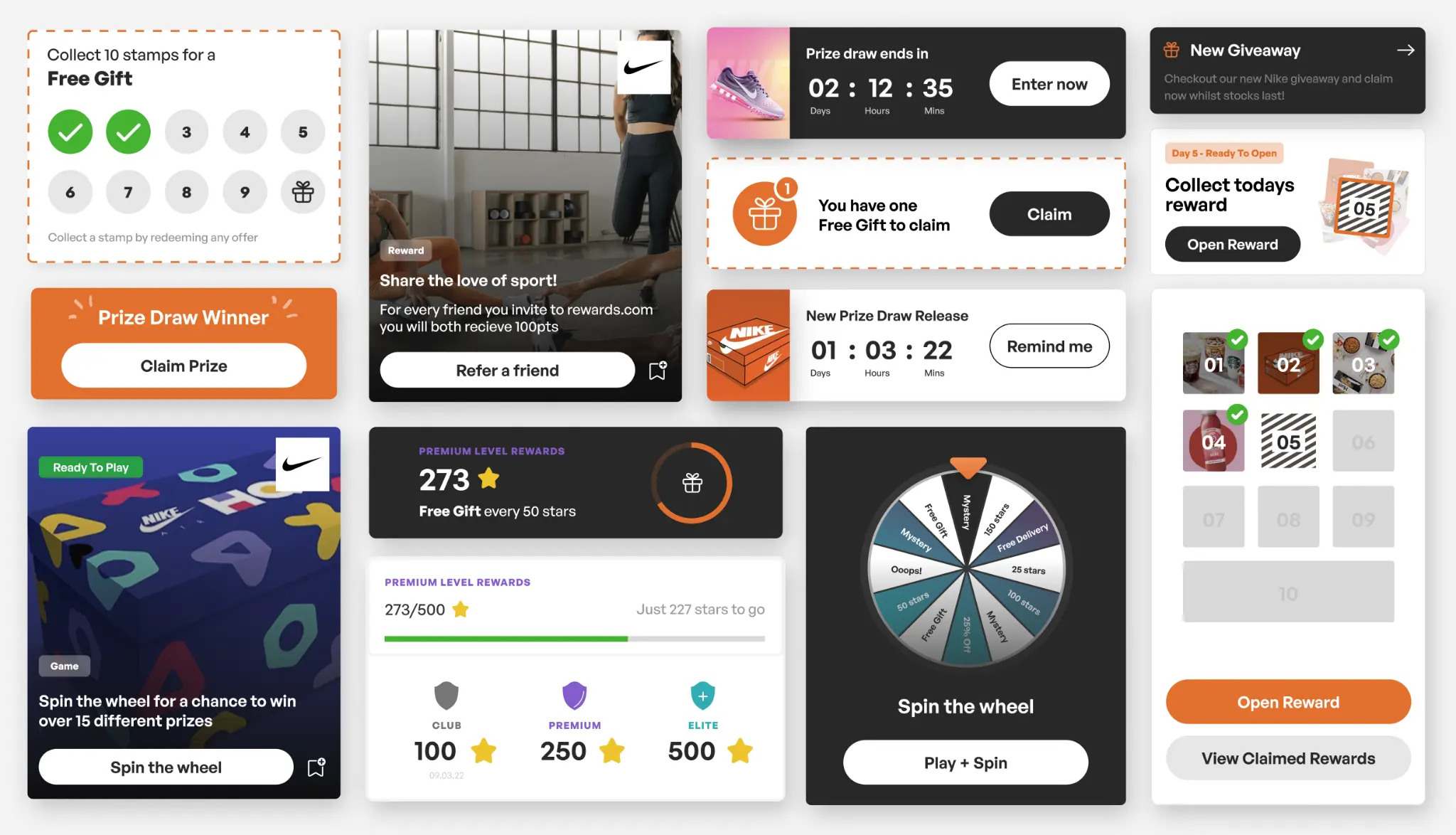
Member engagement is one of the most effective ways to improve gym retention and revenue. But effective engagement requires intentional effort on your part. You need to interact with customers in ways that genuinely encourage them to remain loyal.
Mark Camp
CEO & Founder at PropelloCloud.com
Contents
Key Takeaways
Engagement is not a bonus feature. It is the foundation of retention, referral growth, and long-term gym revenue.
Gamification turns routine visits into a progression journey, giving members something to work towards beyond the workout itself.
Members who feel recognised are far less likely to leave. A rewards programme is one of the most cost-effective ways to make that happen.
Generic workout plans disengage members faster than almost anything else. Personalised plans built around individual goals change that.
Shared goals create shared investment. Group challenges build the kind of community that makes cancelling feel like a loss.
Flexibility drives frequency. Members who can access your gym virtually are more likely to stay active during the weeks life gets in the way.
Your social media presence is often the first impression a prospect gets of your gym. Make it feel like a community worth joining.
Members who are asked for feedback and see it acted on become more loyal, not less. The survey is the easy part. Following through is what counts.
Belonging is a more powerful retention driver than price. Build a gym people feel part of and renewal becomes the obvious choice.
Engaged members stay longer, spend more, and refer friends and family to your gym. This guide will share seven practical gym member engagement ideas to help you do just that. You’ll learn how strategies like gamification and reward programmes can drive long-term member retention for gyms.
Alongside the seven gym member engagement ideas, you’ll also get our practical guide to effective member acquisition and retention. You’ll have everything you need to drive consistent growth, not just a short-term membership spike.
Why Is Gym Member Engagement Important?
Engaged members do more than just show up to work out; they refer friends, try additional services, and stick around when motivation dips. That consistency is what drives sustainable revenue.
Here are some of the core benefits of keeping engagement levels high among gym members.
Better retention rates
Engaged members are more likely to stick around. Keeping them engaged often involves spicing up basic fitness services. Repetitive workouts can lead to decreased motivation and boredom among gym members.
Nurturing their commitment through engagement translates into longer memberships and reduced churn rates. Increased engagement ultimately contributes to your members’ fitness journey and helps them achieve their fitness goals.
Increased referrals and word-of-mouth marketing
Happy and engaged members become your gym’s biggest promoters. They recommend your brand, creating a robust network of organic referrals.
New revenue streams through additional services
Engaged members will try extra services like personal training or brand merchandise. They may also invest in nutrition counselling. Diversifying income can help your gym stay financially stable.
Sustainable growth and community building
A strong sense of community promotes engagement. Engaged members not only build relationships with staff but also with each other. A strong community forms when people feel like they belong, and it attracts new members who want more than just a gym.
The ideas below are proven ways to improve attendance, participation, and long-term retention without having to overhaul your entire member experience.
Gamification
Member Rewards Programme
Personalised Workout Plans
Group Challenges
Virtual Fitness Classes
Social Media Engagement
Member Feedback Surveys
Each one is designed to give your members a reason to stay engaged all year round.
1) How does gamification improve gym member engagement?
Gamification injects an element of excitement and competition into the fitness journey, making workouts more engaging and enjoyable. Members can earn rewards, compete with others, and track their progress in a gamified environment.
Gym equipment, apps, and loyalty programmes are all viable platforms for adding gaming elements.
How can gyms gamify fitness activities?
Point Systems: Implement a point-based system where members earn points for completing workouts, attending classes, or achieving fitness milestones. Accumulated points can be redeemed for rewards.
Fitness Challenges: Create themed fitness challenges, such as “Summer Body Challenge” or “30-Day Ab Challenge.” Members compete to accomplish specific goals within a set timeframe and unlock premium benefits.
Leaderboard Competitions: Develop leaderboards that showcase members with the most points, highest workout frequency, or best progress. Public recognition fuels competition.
Achievement Badges: Award digital badges for accomplishments like reaching a certain number of workouts, hitting weight loss goals, or mastering specific exercises.
2) How does a rewards programme improve gym member retention?
Gym loyalty programmes play a pivotal role in nurturing long-term member relationships by giving them a reason to keep coming back beyond their fitness goals.
It is worth noting that 65% of a company’s revenue comes from repeat customers. A well-structured rewards programme is one of the most direct ways to protect that revenue.
Here’s how these programmes work and why they are so important for gyms:
Concept of Loyalty Rewards: Loyalty rewards programmes are designed to acknowledge and appreciate members for their ongoing commitment to the gym. They operate on the principle that consistent engagement and loyalty should be recognised and rewarded.
Incentivising Member Engagement: Rewards programmes provide members with incentives to stay engaged. By offering tangible benefits for continued participation, gyms motivate members to maintain their fitness routines and to continue using gym services.
Positive Impact on Member Retention: Loyalty rewards programmes directly contribute to member retention. When members feel valued and receive benefits for their loyalty, they are less likely to consider switching to another gym.
Attracting New Members: Offering a rewards programme (integrated with a gym referral programme) enhances your value proposition and gives prospects an extra incentive to convert. The incentives and benefits offered by relevant partner brands also help offset the cost of membership.
What loyalty rewards drive gym member engagement?
Here are some examples and types of rewards that gyms commonly offer to boost member participation:
Discounts and Membership Upgrades: Gyms may offer members discounts on monthly fees or provide opportunities to upgrade their membership tier at a reduced rate for reaching certain milestones.
Free Sessions or Personal Training: Members can earn complimentary workout sessions or personal training sessions after achieving specific fitness goals or maintaining consistent attendance.
Merchandise and Gym Gear: Gyms often have their own branded merchandise, such as T-shirts, water bottles, or gym bags. Members can receive these items as rewards for their loyalty.
Referral Rewards: Encourage members to refer friends and family by offering rewards for successful referrals. This can help you build loyalty and increase gym membership sales. Businesses with referral programmes grow revenue 86% faster.
Exclusive Access: Create a sense of exclusivity by providing loyal members with early access to new classes, equipment, or special events.
Customised Workout Plans: Offer members the chance to receive personalised workout plans or nutrition guidance as a loyalty reward.
Bonus tips for implementing a gym rewards programme
Clearly define the programme’s structure, including how members earn rewards and what rewards are available.
Promote the programme effectively so that members are aware of its benefits.
Use technology to track member engagement and reward eligible members.
Regularly communicate with members about their progress in the programme and the rewards they’ve earned.
Continuously evaluate and adjust the rewards programme to keep it engaging and relevant to your members’ needs and preferences.
3) How do personalised workout plans improve member engagement?
Personalised plans take into account a member’s specific goals, whether it’s weight loss, muscle gain, or improved endurance. It also considers the individual’s preferences for certain activities, like yoga or strength training.
People have different needs and abilities, so avoid focusing on a one-size-fits-all approach. Such plans fail to consider the unique needs and goals of individual gym members. They may also not align with one’s fitness level, preferences, or limitations.
How can gyms create personalised workout plans?
Empower your trainers: Certified fitness trainers are best placed to assess a member’s fitness level, identify strengths and weaknesses, and set appropriate exercises and intensity levels. Give them the tools and time to do it properly.
Start with a fitness assessment: Before any plan is written, trainers should assess a member’s current fitness level, mobility, and any underlying health concerns. That data shapes everything that follows.
Set SMART goals: Work with members to establish goals that are specific, measurable, attainable, relevant, and time-bound. A plan built around clear goals is far easier to stay committed to.
Track progress regularly: Members and trainers should review progress together and adjust the plan as fitness levels improve. It keeps motivation high and ensures the plan stays challenging without becoming overwhelming.
Keep communication open: Encourage members to share their goals, preferences, and any concerns with their trainer. The more a trainer knows, the more effective the plan becomes over time.
4) How do group fitness challenges boost motivation and community?
Promoting a sense of community within the gym by offering group classes, team challenges, or social events delivers the following benefits:
Motivation and accountability: Group challenges boost motivation like few other strategies can. Knowing that others are pursuing the same goals creates a sense of healthy competition and accountability. Members push themselves harder when they’re part of a collective effort.
Promoting a sense of community: These challenges go beyond the physical aspects of fitness. They nurture a sense of community among your members. Participants bond over shared goals and experiences, creating lasting connections that extend beyond the gym’s walls.
Positive impact on fitness results: It’s not just about connection; group challenges deliver tangible results. Share statistics or stories of members who achieved remarkable progress during these challenges. Highlight how participation in challenges can break plateaus and push individuals to achieve fitness milestones they might not have pursued otherwise.
Which fitness challenges boost gym member engagement?
When it comes to building exciting fitness challenges, variety is key. Here’s a selection of challenge ideas that cater to different fitness interests:
Weight Loss Challenges: Encourage members to lose weight over a set period. Provide nutrition guidance and regular weigh-ins to track progress.
Body Transformation Challenges: Challenge members to transform their physique by combining elements of strength training, cardio, and nutrition. Document their journeys with before-and-after photos.
Team Challenges: Encourage rapport by creating teams that work together to achieve collective goals. This can involve various fitness activities or even friendly competitions between teams.
Milestone Challenges: Encourage participants to reach specific milestones, such as running a certain distance or achieving a particular body fat percentage.
Bonus tips for structuring fitness challenges
Set clear and achievable goals for each challenge.
Create a timeline with milestones along the way to keep participants motivated.
Establish a system for tracking progress, whether through regular check-ins or an online platform.
Offer incentives or rewards for participants who meet or exceed their goals.
5) How do virtual fitness classes help keep gym members engaged?
Virtual classes bring the gym experience directly to the member’s home or preferred location. This convenience eliminates the stress of visiting a physical location, allowing members to fit workouts seamlessly into their busy schedules.
Whether it’s early in the morning or late at night, members can access classes when it suits them best.
A dedicated mobile app is one of the most effective channels for delivering virtual classes. Features like push notifications and in-app scheduling mean members stay connected to your gym’s community without it disrupting their daily routine.
Here are some other reasons to offer virtual classes:
Privacy and Comfort: Virtual classes provide a level of privacy and comfort that some members may prefer. They can work out in an environment of their choosing, free from the potential self-consciousness that can come with a gym full of people.
Wide Range of Classes for Diverse Interests and Fitness Levels: Virtual fitness platforms offer a vast array of classes catering to various interests and fitness levels. From high-intensity interval training (HIIT) and yoga to dance and strength training, there’s something for everyone. Members can explore different styles of workouts and find what resonates with their preferences and goals.
On-Demand Access: Many virtual fitness platforms offer on-demand classes, allowing members to access workouts whenever they want. This flexibility means members can adapt their fitness routines to match their daily energy levels and preferences.
6) How can social media strengthen your gym community?
Social media gives your members access to your gym beyond its four walls. Prospects can find you and learn about the benefits of membership, while existing members can stay connected in-between visits.
Establish a strong presence on Facebook, Instagram, and Twitter and engage your members with success stories or promos for challenges and events.
Here is how to make it work:
Build your presence: Platforms like Instagram and Facebook act as a window into your gym’s culture. Consistent posting keeps you visible and gives prospects a real sense of what membership actually looks like.
Make it two-way: Social media works best as a conversation, not a broadcast. Responding to comments, running polls, and asking questions builds a sense of community that carries over into the gym itself.
Choose the right platforms: Instagram suits visual content like transformation stories and workout clips. Facebook works well for community groups and event promotion. Choose platforms your members actually use instead of trying to cover too many at once.
Which social media posts drive member engagement for gyms?
Maintain a simple content calendar with these types of posts to keep output consistent without it becoming a burden.
Workout Tutorials: Share short, informative videos or step-by-step image guides of exercises, demonstrating proper form and technique.
Member Spotlights: Highlight member success stories, showcasing their transformations, achievements, and testimonials.
Fitness Challenges: Launch fitness challenges and invite members to participate, using specific hashtags to create a sense of community.
Behind-the-Scenes: Offer glimpses of daily gym life, including trainer profiles, staff introductions, and facility tours.
User-Generated Content: Feature member-generated content on your gym’s official page, showing appreciation for their contributions.
Bonus tips to drive engagement with socials
Collaborate with influencers or local fitness enthusiasts to broaden your reach.
Analyse the performance of your posts to understand what content resonates best with your audience and adjust your strategy accordingly.
Use Facebook Group voting tools or interactive Instagram Stories polls to give your members a direct say in actual gym decisions.
Let trainers host live streams to answer questions about recovery, injury prevention, or beat-the-slump motivation.
7) How do member feedback surveys improve the gym experience?
The simplest way to find out what your members want is to ask them. Feedback surveys give you direct insight into what is working, what is not, and where your engagement efforts should focus next.
Here is how to run them effectively:
Keep surveys simple: A mix of multiple-choice questions for quick data and open-ended questions for deeper insight strikes the right balance. Long or complicated surveys get abandoned.
Survey at the right frequency: Quarterly or semi-annual surveys give you enough data to act on without overwhelming members. Timing matters too; post-class or post-event surveys tend to get higher response rates.
Assure confidentiality: Members provide more honest feedback when they know their responses are anonymous. Make that clear upfront.
Cover what matters: Ask about facility cleanliness, equipment availability, class schedules, staff interactions, and the effectiveness of your engagement programmes. Variety in topics gives you a fuller picture.
Use Net Promoter Score (NPS): A single question (“How likely are you to recommend our gym to a friend?”) gives you a reliable benchmark for overall member satisfaction over time.
Surveys are only valuable if you act on what you learn. Close the loop by communicating changes you have made based on member feedback. It builds trust and shows members their opinions actually count.
Ready to Grow Your Gym Membership?
Most gyms lose members not because of price or location, but because members stop feeling like they are getting value for their monthly fee. Taking a proactive approach to member engagement addresses that issue at its source.
The seven ideas in this guide give you a practical starting point. But sustainable growth goes beyond engagement alone. Acquisition, onboarding, and retention all play a role in building a gym that members genuinely do not want to leave.
Create personalised experiences, offer rewards programmes, organise group challenges, and provide excellent customer service. Regularly communicate with members and create a sense of belonging. Use technology for convenience and engagement. Consistently gather and act on member feedback to improve retention.
What are effective strategies for engaging gym members?
Utilise gamification, personalised workout plans, group challenges, virtual classes, and social media engagement. Implement a rewards programme and conduct regular feedback surveys. These strategies enhance member experience, foster community, and keep members motivated and engaged in their fitness journey.
How can technology help in engaging gym members?
Leverage mobile apps for workout tracking, virtual classes, and personalised notifications. Use data analytics to tailor experiences. Implement gamification through fitness trackers and leaderboards. Utilise social media channels and online communities to connect members and share engaging content.
What role does staff play in member engagement?
Train staff to provide exceptional customer service and create a welcoming environment. Encourage team members to build relationships with members, offer personalised advice, and celebrate milestones. Staff contribute to creating a positive employee feel, which impacts member experience and engagement.
How can social media be used to boost gym member engagement?
Use social media channels to share success stories, workout tips, and engage with members. Create a Facebook group for community building. Post behind-the-scenes content, run contests, and showcase gym merchandise. Respond promptly to messages to build trust and an online community.
What types of events and activities help keep gym members engaged?
Organise themed workout sessions, fitness challenges, and social gatherings. Host workshops on nutrition or specialised training. Arrange member appreciation events and celebrate milestones. These activities create a sense of belonging, boost motivation, and enhance the overall member experience.
How important is personalised communication in gym member engagement?
Segment your target audience and tailor communication accordingly. Use data to personalise workout recommendations and progress updates. Send birthday wishes and milestone congratulations. Personalised communication shows member appreciation, builds trust, and enhances the overall gym experience.
How can I re-engage members who have stopped coming to the gym?
Reach out personally and offer a “welcome back” package with discounts on services. Provide a fitness assessment and an updated personalised plan. Create a re-engagement challenge with incentives. Use social media to showcase gym improvements and success stories, reigniting interest in the gym experience.
What incentives work best for encouraging member referrals?
Offer discounts on membership renewals or gym merchandise for successful referrals. Provide free personal training sessions or exclusive classes. Create a tiered rewards system with increasing benefits. Recognise top referrers publicly. These incentives encourage word-of-mouth marketing.
How can feedback from members help improve engagement strategies?
Regularly conduct surveys and hold focus groups to gather insights. Analyse feedback to identify areas for improvement in products or services. Use suggestions to enhance the gym experience. This shows member appreciation, builds trust, and ensures your offerings align with member needs.
Mark Camp
Mark is the Founder and CEO of Propello Cloud, an innovative SaaS platform for loyalty and customer engagement. With over 20 years of marketing experience, he is passionate about helping brands boost retention and acquisition with scalable loyalty solutions.
Mark is an expert in loyalty and engagement strategy, having worked with major enterprise clients across industries to drive growth through rewards programmes. He leads Propello Cloud’s mission to deliver versatile platforms that help organisations attract, engage and retain customers.
Start your customised Propello Cloud journey today
Explore the platform’s scalability, features and customisation options and get answers to your unique questions.