How to Design a Winning Mobile Loyalty Programme for Your Brand
27 min to read
Published: September 24, 2024
Updated: September 21, 2026
For most customers, the phone is the first place they meet your brand, and often the only one. That makes mobile the battleground for loyalty. If your loyalty programme does not work in a thumb’s reach, it does not work.
Mark Camp
CEO & Founder at PropelloCloud.com
Contents
Key Takeaways
Mobile is now the primary channel for customer loyalty, not an add-on to it.
Personalisation is the core driver: rewards shaped to the individual, not the segment.
A mobile programme's richest output is its data, turning every interaction into sharper targeting.
Gamification, tiers and real-time rewards keep members active between purchases.
Mobile payment and geolocation strip out friction and reach customers in the moment that matters.
The main hurdles, technical integration and data privacy, are real but solvable with the right build.
Success is measured by changed behaviour, retention and lifetime value, not sign-up counts.
A winning mobile loyalty programme does one thing well. It makes rewards effortless to earn and redeem on the device customers never put down. Get that right, and loyalty stops being a card in a drawer and becomes a habit on the home screen.
This guide covers what they are, why they beat plastic cards, and how to build one customers actually open, with the features, pitfalls and brand examples that prove it.
What Is a Mobile Loyalty Programme?
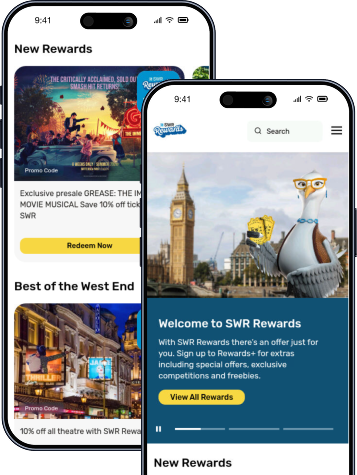
A mobile loyalty programme rewards customers through a smartphone app, or through an app they already use. Members join by sharing a few basic details or linking an account, then earn exclusive rewards, offers and perks based on how they shop.
Mobile devices have changed how people find, compare and stick with brands. The phone is always in hand, so the brand that lives on it holds a standing invitation the competition does not.
That is what separates a mobile programme from the punch card and the plastic points scheme. And it is where the brands are heading: Propello Cloud’s Loyalty Uncovered 2025 research found 77% of enterprise brands now prioritise mobile-first loyalty, building for the device customers already run their lives on.
Do it well and the programme goes everywhere the customer does. Rewards redeemed in a tap, discounts tuned to what they actually buy, a nudge that lands at the right moment instead of in a monthly email.
The result is loyalty that fits the way people already live. Not a card they have to remember. An app they already have open.
What Are the Benefits of Mobile Loyalty Programmes?
A mobile loyalty programme makes rewards easier to earn and redeem, personalises offers to each customer, deepens engagement, and hands the business sharper data on what people actually want. Here is where that shows up.
Convenience and Accessibility
No card to carry, no account number to remember. The programme lives in an app the customer already has, so rewards, offers and promotions sit one tap away, wherever they happen to be.
That is the quiet strength of mobile: it meets people where they already spend their time, and lets them engage on their terms rather than yours.
Personalisation and Experience
Personalisation is what makes a mobile programme feel less like a scheme and more like a service. The app reads how someone actually shops, then shapes rewards and offers around it. The customer stops seeing generic promotions and starts seeing their own tastes reflected back.
This is why personalisation sits among the top investment priorities for enterprise brands, at 84%, in Propello Cloud’s Loyalty Uncovered 2025 research. When the offer fits, loyalty follows without being chased.
Deeper Engagement
A mobile programme turns loyalty from a transaction into something worth playing. Badges, challenges and milestones make people come back to check even when they’re not buying.
Every unlocked reward is a small win, and small wins keep customers active between purchases. Points on a card sit still. A good app gives people a reason to open it.
Data Insights and Analytics
Every tap, redemption and ignored offer tells you something about your customers. A mobile programme turns that stream into a picture of what customers actually want, not what a focus group said they might. That picture sharpens everything downstream: which rewards to run, who to target, when to move.
Payment Integration
When the programme sits alongside mobile payment, earning and redeeming happen inside the same tap that pays. No separate card to scan, no points forgotten at the till. The reward becomes part of the purchase rather than an afterthought to it, and that friction-free loop is exactly what brings people back for the next one.
Competitive Advantage
In a crowded market, a sharp mobile programme is a reason to choose you over the brand next door. It shows you have built for how people actually live, and it gives you a direct line the competition has to win back one customer at a time. Effortless is what quietly moves market share.
Direct Communication
A mobile programme gives you a direct line that does not depend on the inbox. Push notifications and in-app messages land where people already are, the moment an offer matters.
Used well, it is the difference between a promotion someone sees and one they act on. Used badly, it is the fastest way to get an app deleted. Earn the notification before you send it.
What Features Make a Mobile Loyalty Programme Work?
A mobile loyalty programme works through a handful of core features that do three jobs: get rewards to the customer (geolocation offers, push notifications, QR codes), pull them back in (gamification, tiers, a strong rewards catalogue), and feed data home (OCR capture, achievement tracking). Between them, they turn a loyalty card into something customers actually open.
1. Geolocation-based Offers
GPS lets the programme react to where a customer actually is. Walk near a store and the right offer arrives, turning a passing location into a reason to step inside. It is the closest a mobile programme gets to tapping someone on the shoulder at the exact moment it counts.
2. Push Notifications and Engagement
Push notifications are the programme’s direct line, no inbox required. A new reward, a time-limited drop, a reminder that a points balance is one purchase from paying off.
The feature is only as good as the restraint behind it; relevant and rationed beats frequent every time. Used with judgement, it is the sharpest tool you have for consistent programme engagement.
3. Mobile Payment Integration
When the programme plugs into mobile payment, earning and redeeming ride along with the transaction itself. Points accrue as the customer pays, rewards apply without a separate step, and the loyalty layer disappears into the purchase. The less a customer has to think about it, the more they use it.
4. Rewards Catalogue
The catalogue is what the points are actually worth. A thin one kills momentum fast. A rich mix of discounts, freebies and genuine experiences keeps people saving toward something they want. Range beats generosity here, because the reward that lands is the one that fits the individual, not the biggest one on the list.
5. Digital Loyalty Cards and Coupons
Digital cards and coupons move the whole wallet into the app. No plastic to lose, no paper voucher left at home, and a running view of progress a physical card could never show. Seeing how close the next reward is does quiet work on behaviour.
6. Referrals
A referral feature turns members into a growth channel. Give people a reason to bring in someone they know and you acquire a customer on the back of a personal recommendation, the most trusted advocacy there is. The member gets rewarded, you get a warmer lead than any ad will buy.
7. Social Media Integrations
Letting members share rewards and milestones to social turns private wins into public ones. Every share is a small, credible endorsement in front of an audience that already trusts the source. It extends the programme’s reach without extending the ad budget.
8. Gamification
Gamification borrows the mechanics that make games hard to put down, challenges, streaks, levels, and points them at loyalty. The pull is progress: people finish what they start. Handled with care it lifts participation. Overdone it feels like homework, so the craft is making the next step feel worth taking.
9. Loyalty Tiers
Tiers give members a ladder to climb. Each level unlocks something the one below did not, and the gap to the next tier is a standing reason to spend a little more. Done well, status becomes its own reward, driving continued engagement that discounts alone rarely match.
10. OCR (Optical Character Recognition)
OCR lets customers point a camera at a receipt and let the app read it. No codes to type, no purchase logged by hand. It strips out the dullest step in earning a reward, and every bit of friction removed is a member who stays active rather than drifting off.
11. QR Codes
A QR code turns any surface, a till, a poster, a product, into a way to earn or redeem in a single scan. Cheap to deploy and instantly familiar to customers, it is the quiet workhorse of in-store loyalty. No hardware, no fuss, point the camera and go.
12. Tracking Achievements
Showing members what they have earned and what is next keeps the goal in sight. Progress made visible is progress people want to continue, and a clear view of milestones turns a vague sense of loyalty into something the customer is actively working toward.
How Do You Optimise a Mobile Loyalty Programme?
You optimise a mobile loyalty programme by acting on its data: track how members behave, personalise rewards around what you find, fix the technical and privacy gaps that cause drop-off, and refine continuously.
It is not a launch-and-leave project. The brands that get results treat it as something to tune, watching what works, cutting what does not, and adjusting as customers change.
What Is the Role of Data Analytics?
Data analytics is the key to tailoring mobile loyalty programmes to individual customer preferences. Every purchase, redemption and ignored offer says something about how a customer actually behaves, and that read is the raw material for offers they genuinely want.
With proper analytics in place, each interaction lands as if built for one person, because it was. A reward timed to a habit, a promotion aimed at a real preference, a nudge that arrives because the data said now. That is the line between a programme customers tolerate and one they open.
What Are the Common Implementation Challenges in Mobile Loyalty Programmes?
The benefits are real, but so are the hurdles. Four come up more than any other.
User Adoption. Getting people to download and stick with another app is the first wall. Some resist change, others already have an app graveyard and no room for one more. The programme has to earn its place on the home screen before it can do anything else.
Technical Integration. A loyalty programme has to talk to the systems you already run: the till, the CRM, the rest of the stack. It is the hurdle brands underestimate most. 81% in Propello Cloud’s Loyalty Uncovered 2025 research said they struggle to integrate loyalty into their existing tech, and 35% called it critical.
Data Privacy. Personalisation runs on customer data, and customers are more alert than ever to how it gets used. 78% of enterprise brands name data privacy and compliance as a challenge in the same research. The task is to personalise without overreaching, and to be seen doing it.
Communication Effectiveness. The same push notification that pulls a customer back can be the one that makes them leave. Getting the targeting or the frequency wrong often means the channel meant to engage starts to annoy. Precision beats volume, every time.
Strategies for overcoming implementation challenges
None of these is fatal, and each has a fix that is well understood. Six worth building in from the start:
Educate before you enrol. Tell customers plainly what the programme does for them and how to use it. A member who understands the value signs up faster and stays longer. Confusion at the front door is lost adoption.
Integrate properly, once. Bring in developers who have done it before and connect the programme to your existing systems cleanly. The integration you rush is the one you rebuild.
Be transparent about data. Say what you collect and why, secure it properly, and make the exchange obvious: their data, their better experience. Trust earned here is what makes personalisation welcome rather than unsettling.
Segment your messaging. Use what the data tells you to send the right message to the right member. Relevance keeps people opted in. Blanket sends are how you train customers to ignore you.
Give people a reason to stay active. Back participation with rewards that matter: exclusive discounts, early access, premium benefits for your most engaged members. An active member is worth more than a signed-up one.
Monitor and adapt. Watch performance, listen to feedback, move with the trends. A programme reviewed regularly beats one launched and forgotten. The market does not stand still, and the programme should not either.
Case Studies: Successful Mobile Loyalty Programmes
Four programmes, four industries, one transferable lesson each. Here is what the brands getting mobile loyalty right actually built, and what you can lift from them.
ISM (Independent Society of Musicians)
The largest independent musician community in the UK, ISM, collaborated with Propello Cloud to overhaul their membership and loyalty scheme.
Challenge: Build a loyalty programme that drives more engagement from members, enhances the relevance of rewards, and provides useful data.
Solution: Propello Cloud introduced an integrated loyalty solution that includes:
Diverse reward offerings, including savings on everyday essentials
Tailored communication strategies and marketing support
Real-time redemption data tracking system
Results: engagement and redemptions climbed, the rewards started landing because they were chosen on evidence rather than guesswork, and the data turned programme decisions from hunches into calls you can defend.
The proof is in what members say: reviews report savings on everything from food to tech that, for many, clear the cost of membership outright. When the programme pays for itself, renewal stops being a question.
That is the pattern leading platforms like Propello Cloud are built to repeat: relevance driven by data.
Starbucks Rewards
Starbucks is the case every loyalty deck reaches for, and for once the reputation is earned. The app turned a coffee run into a habit the company can see, measure and reward.
Challenge: lift satisfaction, grow revenue and pull customers back more often, all through the phone.
Solution: mobile order and pay that lets members skip the queue, Stars earned on every purchase and redeemed for free drinks and food, personalised offers built on individual purchase data, and in-app games that hand out bonus Stars for coming back.
Results: The programme’s success is evident in its impact:
Rewards members were 5.6 times more likely to visit daily than non-members (Numerator, 2019).
Read together, those two numbers say the same thing from two directions: the app does not just capture spend that was coming anyway, it manufactures the visit. Get someone to open the app and the coffee follows.
Tesco
Clubcard was loyalty before loyalty apps existed. The interesting move was not launching it, it was dragging a plastic-card institution onto the phone without losing the millions who relied on it.
Challenge: modernise a mature, much-loved programme for smartphone users without breaking what already worked.
Solution: a digital card for collecting points, vouchers and coupons in the app, personalised offers, account management on the move, wallet integration, and a clean layout built around bottom navigation and universal search.
Results: The digital card lowered the barrier to entry, and optional registration lowered it again, both of which lifted adoption. It also made personalised offers easier to reach, and easier-to-reach offers get used.
Tesco proved that modernising a legacy programme is less about reinvention than about removing every small reason not to bother.
Mirenesse Love Rewards
Not every programme wins on scale. Mirenesse, an Australian cruelty-free cosmetics brand, wins on identity, a programme built to feel like an extension of what the brand already stands for.
Challenge: a loyalty programme that reflects the brand’s values and gives customers a real reason to stay.
Solution: Love Rewards runs on two tiers. Onyx is free, and Gold is a paid membership, each stacking points toward store credit at a fixed conversion.
Results: the paid tier does the clever work. By putting genuine perks behind Gold, free shipping, exclusive access, bonus points, Mirenesse makes membership feel like a decision worth paying for, which is a rare thing to pull off.
A transparent points-to-credit rate means members can always see what they are working toward. Visible progress is what keeps people spending toward the next reward instead of forgetting the programme exists.
How Can You Measure the Success of Your Mobile Loyalty Programme?
You measure a mobile loyalty programme by whether it changes behaviour, not whether people sign up. The metrics that matter cluster into a handful: engagement and retention, redemption rates, financial impact (sales lift and customer lifetime value), and return on investment.
User Engagement
Active users: Monitor the number of active users regularly to gauge ongoing interest and participation.
Session duration: Analyse how much time users spend within the app during each session to assess engagement levels.
Frequency of interaction: Track how often users interact with the loyalty programme, redeem rewards, or participate in gamified elements.
Acquisition and Retention
New user acquisition: Measure the rate at which new users are joining the programme, indicating its ability to attract fresh interest.
Retention rate: Evaluate how well the programme retains existing users over time. A high retention rate signifies ongoing value for participants.
Redemption Rates
Redemption frequency: Assess how frequently users redeem rewards. A higher redemption frequency indicates the programme’s perceived value.
Types of rewards redeemed: Understand which types of rewards are most popular among users, providing insights into their preferences.
Financial Impact
Increased sales: Analyse whether the loyalty programme contributes to an uptick in sales, both in terms of frequency and average transaction value.
Customer lifetime value (CLV): Measure the CLV of loyalty programme participants compared to non-participants to understand the programme’s impact on long-term revenue.
Customer Satisfaction and Loyalty
Net promoter score (NPS): Use NPS surveys to gauge overall customer satisfaction and likelihood to recommend the programme to others.
Customer loyalty metrics: Track repeat purchases and the overall loyalty behaviour of participants compared to non-participants.
Data Analytics
Data utilisation: Assess how effectively customer data is utilised to personalise offers and enhance the overall user experience.
Conversion tracking: Monitor how well the programme converts customer interactions into tangible business outcomes.
Social Media Metrics
Referral rates: Track the success of referral programmes by measuring how many new users are acquired through existing participants.
Social shares and mentions: Analyse social media interactions related to the loyalty programme to measure its popularity and impact.
Cost-Effectiveness
Cost per acquisition (CPA): Evaluate the cost of acquiring a new user through the loyalty programme to ensure cost-effectiveness.
Return on investment (ROI): Calculate the overall programme ROI by comparing the programme’s benefits to the costs associated with its implementation.
Feedback and Reviews
User feedback: Collect qualitative feedback from participants through surveys or reviews to gain insights into their experiences and satisfaction levels.
Complaints and concerns: Monitor and address any common issues or concerns raised by users promptly.
Competitive Benchmarking
Comparison with Industry Benchmarks: Benchmark your programme’s performance against industry standards to understand its relative success.
What Are Some Emerging Trends in Mobile Loyalty Programmes?
The trends worth watching are AI-driven personalisation, wearables, augmented reality, voice and location interfaces, and sustainability-led rewards. One of them is already here and reshaping programmes now. The rest are close behind.
1. AI and Machine Learning
AI is already running the best programmes. 62% of enterprise brands are investing in AI and machine learning, according to our Loyalty Uncovered 2025 research, because it reads individual behaviour at a scale no marketing team could match, then tunes rewards to the person rather than the segment.
Where it goes next is predictive: programmes that act on what a customer is about to do, not what they did last month.
2. Wearables
Smartwatches move loyalty from the pocket to the wrist. A reward alert you feel, a points balance checked with a glance, redemption without reaching for a phone. As wearables spread, they hand programmes a more immediate, lower-friction way to reach a customer in the moment that matters.
3. Augmented Reality
AR turns the physical world into part of the programme. Point a phone at a shelf, a storefront or a product and a reward layer appears over it: hidden offers, interactive challenges, gamified hunts tied to real places. It is early, and easy to overdo, but the brands experimenting now are the ones learning what actually makes it stick.
4. Voice and Location
Voice assistants and location awareness make a programme context-aware. A customer asks for their balance and hears it. They pass near a store and the right offer arrives. Both strip steps out of the interaction, and every step removed is a member who stays engaged instead of drifting off.
5. Sustainability and Social Responsibility
Rewards are starting to carry values, not just value. Carbon-offset incentives, charitable point donations, eco-friendly perks: ways for a programme to reflect what a customer already cares about.
52% of enterprise brands now emphasise sustainability in their loyalty thinking, per the same 2025 Loyalty Uncovered research. For the right customer, the programme that shares their values is the one they stay with.
Mobile Rewards Are the Future of Customer Loyalty
Retention is cheaper than acquisition, and mobile is where retention now happens. A programme built for the phone does more than hold customers, it gets them spending more, returning sooner, and choosing you in a market where every competitor is one tap away.
How much does it cost to build a mobile loyalty programme?
It depends entirely on the route you take. Building a custom app from scratch is the expensive door: significant upfront development, a long build, and ongoing maintenance every year after. Using a white-label or ready-built platform turns that into a manageable subscription, with the build and running costs shared across everyone on the platform. For most brands the second route launches faster and costs a fraction of a bespoke build.
Should you build your own loyalty app or use a ready-made platform?
Build your own if your reward logic is genuinely unique, you need deep custom integrations, and you have the budget and time to maintain it. For everyone else, a white-label platform is usually the smarter call: it gives you a branded, full-featured programme without the development risk, and it is live in weeks. The question is rarely “can we build it” but “is building it the best use of our money.”
How long does it take to launch a mobile loyalty programme?
A custom build typically runs into many months once you account for design, development, integration and testing. A white-label platform can have a branded programme live far quicker, because the core infrastructure already exists and you are configuring rather than coding. Your integration requirements and reward complexity are what move the timeline most.
Do you need a dedicated app, or can a mobile loyalty programme work without one?
You do not always need a standalone app. A programme can live in a mobile-optimised web experience or inside a digital wallet like Apple Wallet or Google Wallet, which removes the download barrier entirely. A dedicated app earns its place when mobile is your primary customer touchpoint and you want push notifications, richer personalisation and features that only work natively. Match the format to how your customers actually behave, not to what sounds most impressive.
How do you get customers to download and use a loyalty app?
Make the value obvious before you ask for the download, and make joining effortless once they decide. Promote it everywhere the customer already meets you, at the till, on receipts, in email, on social, and lead with the reward, not the app. Then earn the space on their home screen with relevant offers and well-timed notifications, because an app that goes quiet after week one gets deleted.
How does a mobile loyalty programme connect to your existing systems?
Through integration with your point-of-sale, CRM and ecommerce platforms, so purchases, points and member data flow between them without manual work. Clean integration is what lets the programme reward customers in real time and gives you a single view of behaviour across channels. It is also the step most brands underestimate, so it is worth choosing a platform with proven connectors rather than assuming it will be simple.
Is a mobile loyalty programme worth it for a small business?
Yes, and it no longer requires an enterprise budget to do well. Ready-built and white-label platforms let smaller brands run a professional, app-quality programme without custom development, starting simple and scaling as they grow. The fundamentals matter more than the size of the build: relevant rewards, an easy sign-up, and a reason to keep coming back.
What is the difference between a mobile loyalty programme and a digital loyalty programme?
A digital loyalty programme is any programme run through software rather than a plastic card, which includes web and email. A mobile loyalty programme is the subset built specifically for the phone, using app or wallet features like push notifications, geolocation and mobile payment. All mobile loyalty is digital, but not all digital loyalty is mobile, and the mobile-first version is where most customer engagement now happens.
How do you keep members engaged after they sign up?
Sign-up is the easy part; the work is giving people a reason to return. Keep rewards relevant by acting on what members actually redeem, use tiers and gamified milestones to create a sense of progress, and communicate with precision rather than volume. The programmes that hold members are the ones that stay useful between purchases, not just at the point of sale.
What data privacy rules apply to mobile loyalty programmes?
Because these programmes collect and use customer data, they fall under data protection law such as the UK GDPR, which governs consent, how data is stored, and a customer’s right to access or delete it. In practice that means being transparent about what you collect and why, securing it properly, and giving members genuine control. Handled openly, privacy becomes a trust-builder rather than a hurdle, and trust is what makes personalisation welcome.
Mark Camp
Mark is the Founder and CEO of Propello Cloud, an innovative SaaS platform for loyalty and customer engagement. With over 20 years of marketing experience, he is passionate about helping brands boost retention and acquisition with scalable loyalty solutions.
Mark is an expert in loyalty and engagement strategy, having worked with major enterprise clients across industries to drive growth through rewards programmes. He leads Propello Cloud’s mission to deliver versatile platforms that help organisations attract, engage and retain customers.
Start your customised Propello Cloud journey today
Explore the platform’s scalability, features and customisation options and get answers to your unique questions.


.png)