The best loyalty programme examples span every model there is, from HelloFresh’s instant rewards and Pret’s coffee subscription to Ulta’s spend tiers and JD Gyms’ paid membership. Each of the ten below, a couple of them our own clients, teaches a lesson about what makes loyalty work and which mechanic fits which customer.
Mark Camp
CEO & Founder at PropelloCloud.com
Contents
Key Takeaways
Good loyalty programmes trade real value: customers get what they actually want, brands get deeper relationships and data that matters.
Instant rewards beat delayed gratification. HelloFresh shows that immediate value, with no hoops to jump, makes engagement follow naturally.
Smart partnerships multiply appeal without multiplying cost. Starbucks and Delta, or Marriott and Uber, let two brands share audiences and offer richer rewards.
Duolingo and Panera sit at opposite ends of gamification: one makes the game the whole programme, the other pulled back to points and tiers. Both work, which proves fit matters more than mechanic.
Tiered programmes shine in aspirational sectors like beauty and luxury, where status and exclusivity drive behaviour.
Premium loyalty can drive serious revenue, as JD Gyms' 5700% jump in premium subscriptions shows.
Customisation is crucial: what works in retail rarely works unchanged in travel or pet supplies.
Mobile and personalisation are no longer optional. They are core to any modern loyalty programme.
Loyalty programme examples are present in almost every industry. That’s the honest starting point, and it’s worth sitting with before you look at a single case study. The harder question is not whether loyalty suits your sector. It’s which shape of programme suits your customers, because the type, the reward model and the engagement tactic all shift depending on who you’re serving.
So pair each example below with the takeaway attached to it. By the end, you’ll know what actually makes a loyalty programme effective, and which moves are worth stealing for your own.
Why Are Loyalty Programmes Important for Customer Engagement?
Loyalty programmes matter because they turn a single transaction into an ongoing relationship, and that is exactly what today’s customer expects. There was a time when a clean transaction and decent service were enough. Not any more. In an age of deep personalisation and novel digital experiences, the modern consumer wants value now, from a brand that actually knows them.
That is the job a loyalty programme does. It runs quietly in the background, connecting brand and customer in a continuous exchange, rewards and benefits flowing one way, loyalty flowing back.
And businesses have noticed. 75% now prioritise real-time rewards, according to Propello Cloud’s Loyalty Uncovered report (2025), because immediate value delivery is what keeps customers engaged and stops them drifting to a competitor.
A loyalty programme is how you deliver ongoing engagement through automated rewards, advocacy incentives at the golden hour, and gamified experiences.
Which Industries Benefit from Loyalty Programmes?
The honest answer is nearly all of them. Ask which industries don’t benefit from a loyalty programme and you will struggle to fill the list.
Yes, that sounds convenient coming from a loyalty software provider. But you already know it’s true, because you have been on the receiving end. Think of the small lift you get when a brand remembers your birthday, or when your usual supermarket drops an in-app discount on the exact products you buy every week.
Most sectors can make loyalty work in a way that genuinely fits their customers. The ceiling is rarely the technology. It’s the imagination behind how you use it.
For direct-to-consumer brands, data is the currency. Cutting out the middle-man widens your margins and gives you a direct line to the customer, but that line is only worth something if you capture what runs along it.
This is where a loyalty programme earns its place. It is the cleanest way to collect first-party data directly from the customer, with their consent, in exchange for rewards they actually want.
Ask them to review a product or share a preference, hand back a discount on their next order, and you deepen the relationship while learning exactly who you are selling to.
Food & Beverage Industry
Few sectors have taken to loyalty as thoroughly as food and beverage. Walk into almost any chain restaurant and a programme is waiting for you, and subscription meal kit services like HelloFresh, one of our clients, build incentives straight into the model.
Quick-service restaurants got there first. McDonald’s launched its Monopoly game back in 1987, one of the earliest examples of gamification in the sector, and it is still running today. What has changed is the tool. Mobile apps have taken that same gamified instinct and sharpened it into something more powerful.
Fashion Industry
Fashion shows loyalty doing something subtler: helping a brand move as its customers’ values move.The industry that once ran on excess has rebuilt around sustainability, and the commitment now shows up in the budget.
52% of enterprise brands rank sustainability as a priority investment area, and 22% call it critical, according to Propello Cloud’s 2025 Loyalty Uncovered report. That is not a marketing gesture. It is money moving towards values.
Green loyalty programmes are where that money pays off. Reward the sustainable choice, recycling an old garment or choosing resale over new, and you turn a value into a habit.
The customer gets recognised for doing the right thing, and the brand earns loyalty built on more than price.
Luxury Industry
Luxury runs on a paradox, and the smart brands know how to use it.
Most of us cannot afford what we most aspire to, a first home above all. Yet the same people carry smartphones and drive cars packed with features that were the preserve of the wealthy a generation ago.
The globalised economy has handed what was once exclusive to almost everyone. Luxury brands turn that tension into a loyalty strategy.
Frame the programme around exclusivity and you lower the barrier for the aspirational customer who wants a taste of prestige, without diluting the status that keeps high-income members loyal. The programme widens acquisition at one end and deepens retention at the other.
Beauty & Cosmetics Industry
If beauty loyalty has a gold standard, it is Sephora’s Beauty Insider. Ask why and the answer is not the points. It is what the points buy.
Beauty Insider passed 45 million members in North America in 2025, a record for the programme, according to Sephora’s own newsroom. You do not grow a community that large on discounts.
The programme rewards its top tiers with exclusive events and beauty masterclasses. The kind of access that makes a member feel like an insider rather than a number.
Its virtual try-on tool adds another digital layer, letting shoppers see a product on their own face before they buy.
None of it works without the basics, and Sephora has those locked too, chiefly personalised recommendations drawn from a member’s own purchase history.
Home & Household Industry
Household brands have a structural advantage most sectors would envy: their customers come back on a schedule. Cleaning supplies run out, filters need changing, seasons turn and the DIY list resets.
That rhythm is what a loyalty programme is built to reward.
Tie the rewards to the natural replenishment cycle and repeat purchase stops being something you chase. It becomes something you designed in, whether the customer is a first-time buyer kitting out a home or an owner deep in a renovation.
Sports Industry
Fitness might be the most natural home for gamified loyalty there is. Gym-goers are wired to compete, against a personal best, a leaderboard, last week’s version of themselves. A good programme just gives that instinct somewhere to go.
JD Gyms does this as well as anyone in the sector. It turns routine workouts into tracked challenges with personal goals and real rewards, so the thing that keeps members coming back is not the direct debit. It is the progress they can see.
Travel & Tourism Industry
No industry has been at this longer than travel. Airlines and hotels were running loyalty programmes before most sectors had the idea, and they have never stopped refining it.
The modern version reaches well past points and miles into partner rewards and experiential benefits. Because when a single booking is worth hundreds or thousands, earning the next one is worth real effort.
Tiered loyalty was built for this. People booking a holiday are already in the mood to treat themselves, so a programme that lets them climb into VIP status is pushing on an open door. Different levels, different privileges, a clear reason to reach the next one.
The sector knows it. Experience-led loyalty is strongest in leisure and travel, where 79% of businesses invest in it, according to Propello Cloud’s Loyalty Uncovered 2025 report. In travel, the emotional payoff is the product, and that is what brings people back.
Think priority boarding, lounge access, a room upgrade waiting at check-in. Perks like these turn an ordinary trip into something a customer remembers, so even a delayed flight can end with a glass of champagne.
Pet Supplies Industry
Pet supplies is a rare market where huge scale meets real emotion. Americans spent $158 billion on their pets in 2025, and 94 million US households now own at least one, according to the American Pet Products Association. That is a vast base of buyers who treat their pet as family.
The best programmes work both angles, pairing practical rewards like auto-ship discounts with emotional ones like pet birthday clubs and VIP grooming.
Always On loyalty fits especially well here, because pet care never stops. Monthly flea treatments, weekly food deliveries, seasonal toys, there is always something the animal needs.
Build the rewards into that routine and the programme becomes as fixed a habit as the morning dog walk.
What Are the Best Loyalty Programme Examples? 10 to Know
Here are ten loyalty programmes worth studying, spanning always on rewards, brand partnerships, referrals, gamification, tiers, earn-and-burn and premium memberships. Each shows a different mechanic in action, and each carries a lesson you can apply to your own programme, whatever sector you are in.
1) HelloFresh – Always On (Instant Rewards)
Industry: Food & Beverage Industry
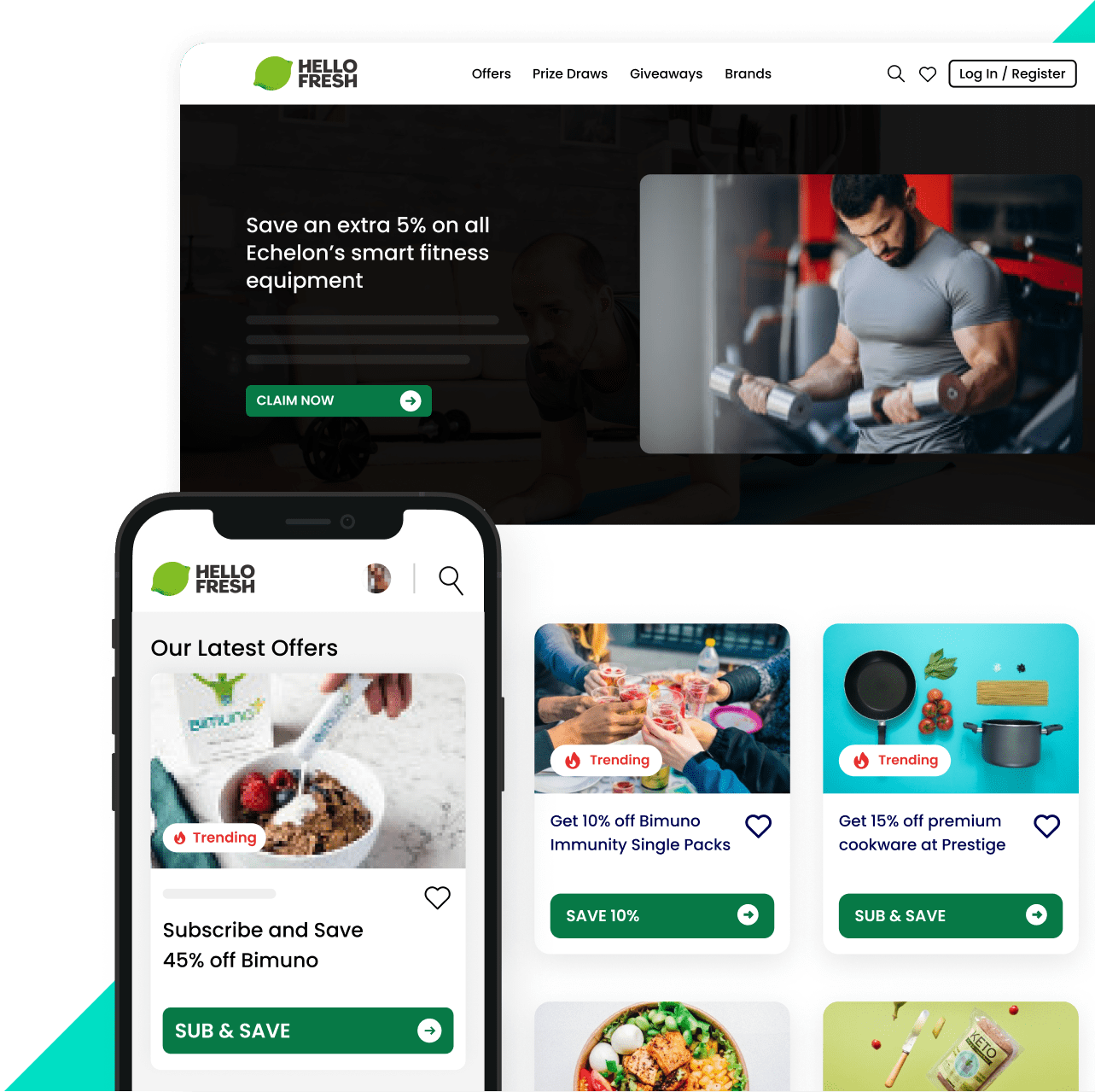
HelloFresh, one of our flagship clients,has turned instant rewards into an art. Its subscription loyalty runs alongside the core service, personalised meal plans delivered to the door, each box tailored to dietary needs, from vegetarian to family-friendly.
That fit is the point. A brand already built on personalisation and convenience is a natural home for a loyalty programme, so HelloFresh went Always On.
Here is what that means in practice. Traditional points systems make customers wait to unlock anything. HelloFresh’s programme delivers value immediately, every day, no threshold to cross first.
And because there is no threshold, every customer is in from day one, whatever they spend. That is why it works. We stripped out the complex earning criteria and the friction that quietly kills so many loyalty programmes and made the rewards instant instead.
2) Pret A Manger – Always On (Instant Rewards)
Industry: Food & Beverage Industry
Pret A Manger takes the same Always On idea and points it at your morning coffee. Club Pret gives subscribers 50% off up to five barista-made drinks a day for £5 a month, which quietly turns a daily habit into a reason to keep coming back.
The clever part is the timing of the reward.
Members feel the value on every single visit, not at some distant points threshold. It is the kind of deal that has you rethinking your route to work for a half-price flat white. That is ‘always on’ at its most obvious.
When you are saving money on something you would buy anyway, the maths does the persuading for you. No points to stockpile, no hoops to jump through, just an immediate reason to choose Pret over the place next door.
3) Starbucks and Spotify – Loyalty Partnership
Industry: Food & Beverage (partner: air travel)
Starbucks shows how a loyalty partnership can turn one brand’s everyday habit into another brand’s aspirational reward. Since 2022 it has run a loyalty tie-up with Delta SkyMiles: link the two accounts and every dollar spent on coffee earns a Delta mile towards your next flight.
The lesson is not the mechanic. It is the fit. A daily coffee and an annual holiday sit at opposite ends of the spending spectrum, which is exactly why they work together. The coffee run quietly funds the flight, and two brands that would never compete end up feeding each other’s programmes.
That is the test every partnership has to pass. The audiences have to overlap, the services have to complement, or the whole thing feels bolted on. Get it right and each brand borrows the other’s customers without spending a penny on acquisition.
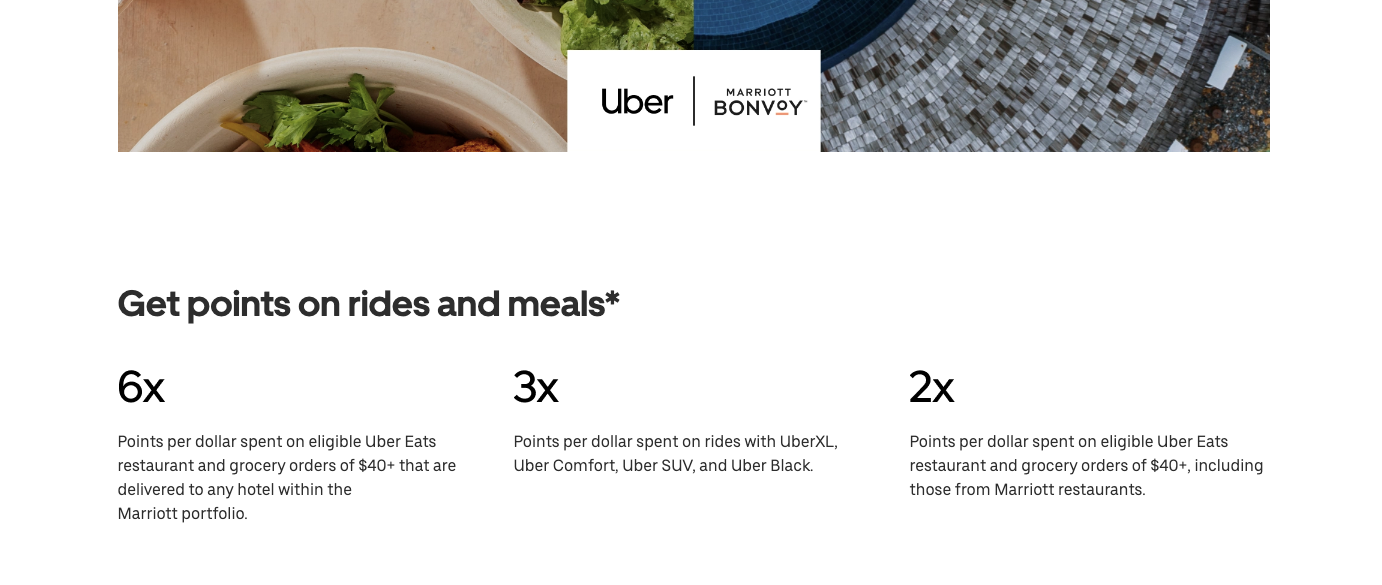
Marriott Bonvoy and Uber show the partnership principle threading through a single trip. Think about how you actually travel: you take a ride, you order food, you stay somewhere. Marriott, with more than 9,600 properties worldwide, and Uber, active in more than 15,000 cities, already sit inside that journey.
The partnership simply connects them. Link your Marriott Bonvoy and Uber accounts in the US and your Uber rides and Uber Eats orders start earning hotel points. Nobody changes their behaviour. The ride you were taking and the meal you were ordering now quietly move you towards a free night’s stay.
5) Airbnb – Referral Programme
Industry: Hospitality & Travel Services
If you want to see referral done properly, Airbnb wrote the playbook. The design rewards both sides of the introduction: the friend who joins gets credit towards their first trip, and the member who referred them earns travel credit once that first stay is complete.
Airbnb has since pulled the guest programme back to a handful of markets, but the blueprint it proved is what matters here.
That dual-sided design is the whole trick. Reward only the referrer and it is a bounty. Reward only the newcomer and your advocates stay silent. But when you reward both, the introduction becomes a gift between friends.
Underneath it all sits trust. Break it, with a cheap reward or a product that disappoints, and your advocates go quiet and the leads dry up. Keep it intact and referral does something advertising never can: it puts a recommendation in the mouth of someone the customer already believes.
6) Duolingo – Gamified Loyalty
Industry: Educational Technology
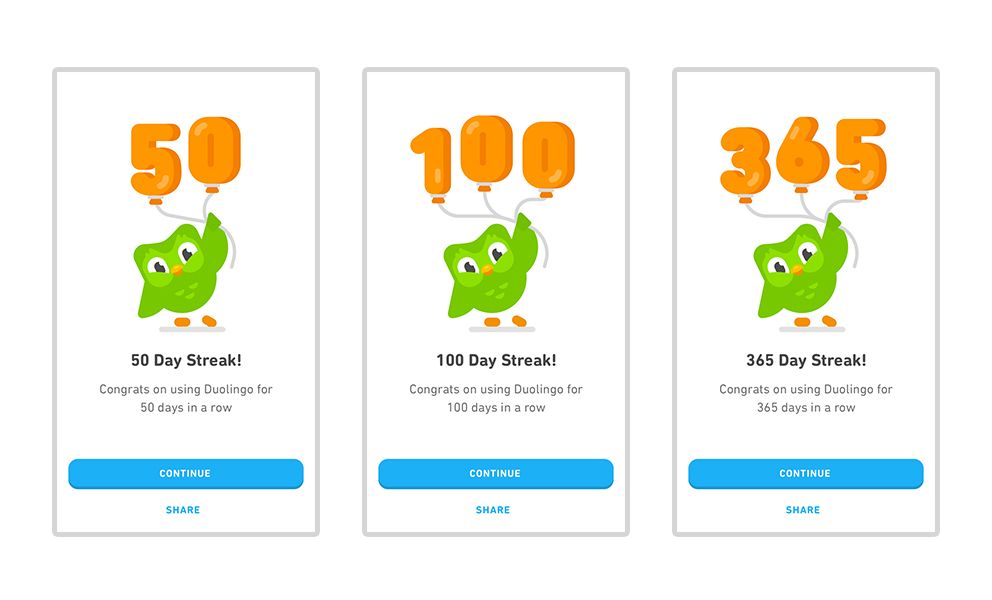
Duolingo makes the clearest case that gamification is not a bolt-on. It is the whole engine. There is no rewards catalogue. The reward is progress itself, dressed up as a game.
XP for every lesson, a daily streak that hurts to break, leaderboards that pit you against other learners. Miss a day and you feel it, which is the point.
Panera takes the opposite route to Duolingo. Rather than making gamification the whole programme, MyPanera keeps a clear points-and-tiers core, now serving more than 70 million members across 2,200-plus bakery-cafes.
Its August 2026 relaunch is the tell. Panera stripped back years of surprise-and-delight gamification in favour of a transparent points system (ten points per dollar, redeemable by choice) and three membership tiers, topped by MyPanera+ Sip Club, which folds in the beverage subscription.
Members asked for control and clarity, so that is what they got.
The lesson: gamified touches earn attention, but the core still has to be a structure members can actually control. Points and tiers do the heavy lifting. The game is the garnish, not the meal.
8) Ulta Beauty – Tiered Loyalty
Industry: Beauty & Cosmetics
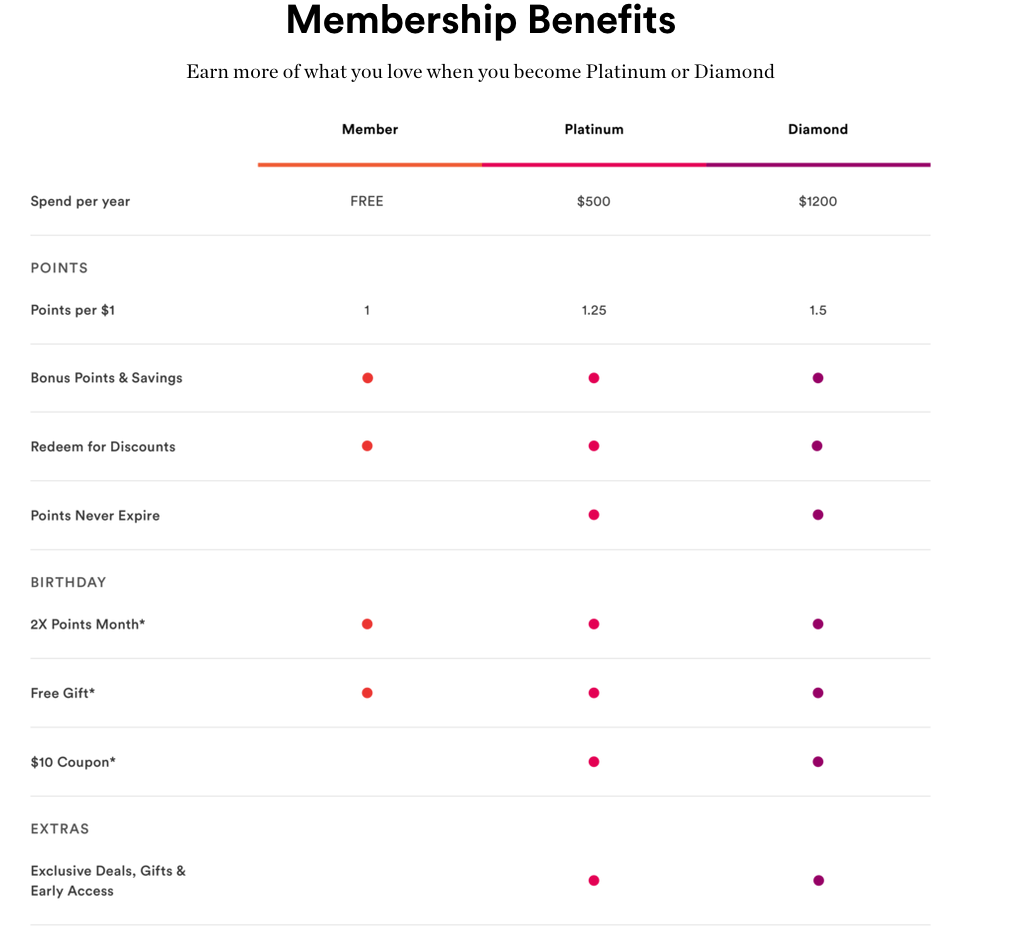
Ulta shows what a tier ladder does to spending. Its programme, Ulta Beauty Rewards (formerly Ultamate Rewards), runs three levels: Member at the base, Platinum at $500 of annual spend, and Diamond at $1,200. Each rung adds richer perks, from points to exclusive events and early access to launches.
The psychology is the whole point. Once a member can see the next tier, they spend to reach it, then spend again to keep it.
And it works: Ulta’s active members drive roughly 95% of the company’s sales. That is the tiered model doing exactly what it promises, turning status into spend, with the brand the customer has already chosen.
9) Chase Bank – Earn and Burn
Industry: Finance
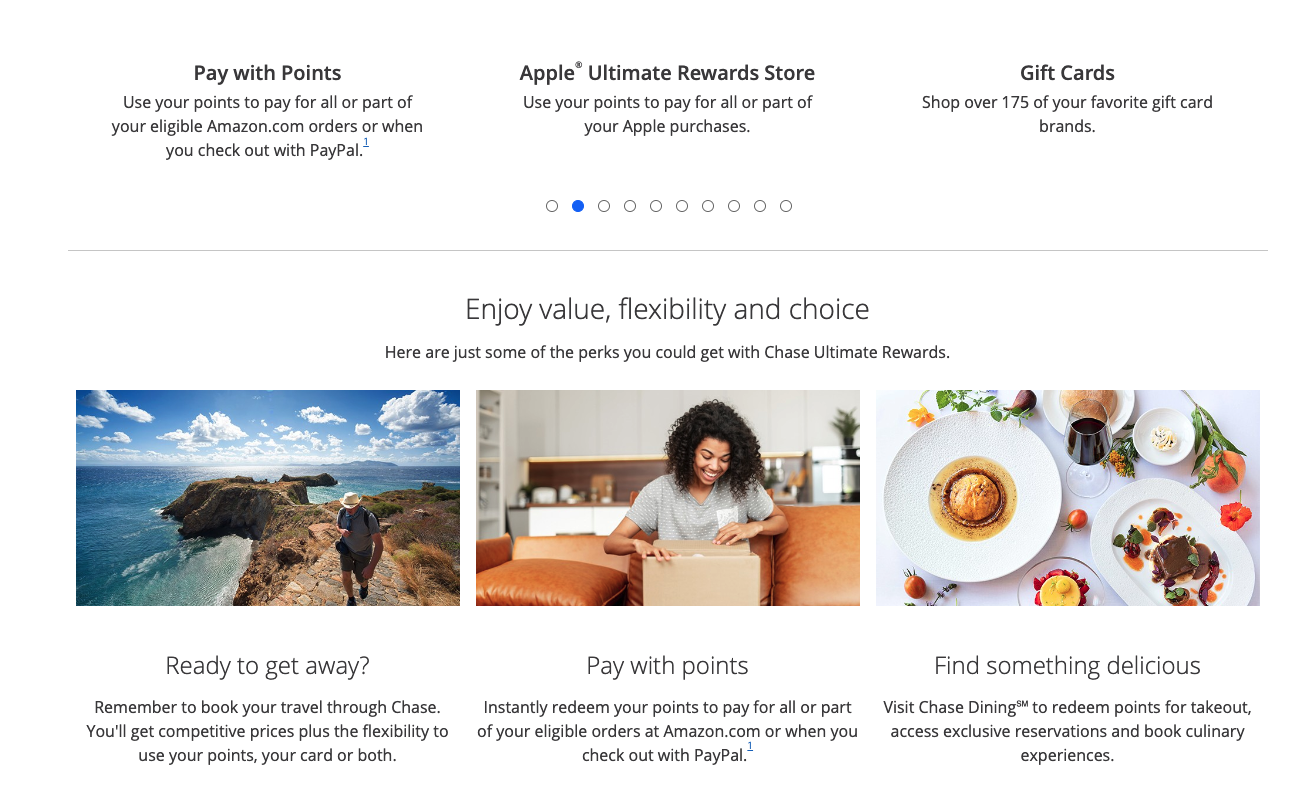
Chase’s Ultimate Rewards is earn-and-burn at its most flexible. You earn points on ordinary card spend, then burn them how you like: cash, statement credit, travel booked through Chase, or transfers to airline and hotel partners. One currency, many exits.
That flexibility is the whole point. A reward you can spend on your own terms feels more valuable than one the brand picks for you, which quietly turns a routine purchase into progress towards something you actually want.
The lesson for earn-and-burn: do not dictate the payoff. Give members points that flex to their lives, and let them decide what winning looks like.
10) JD Gyms – Premium Loyalty
Industry: Sports & Fitness
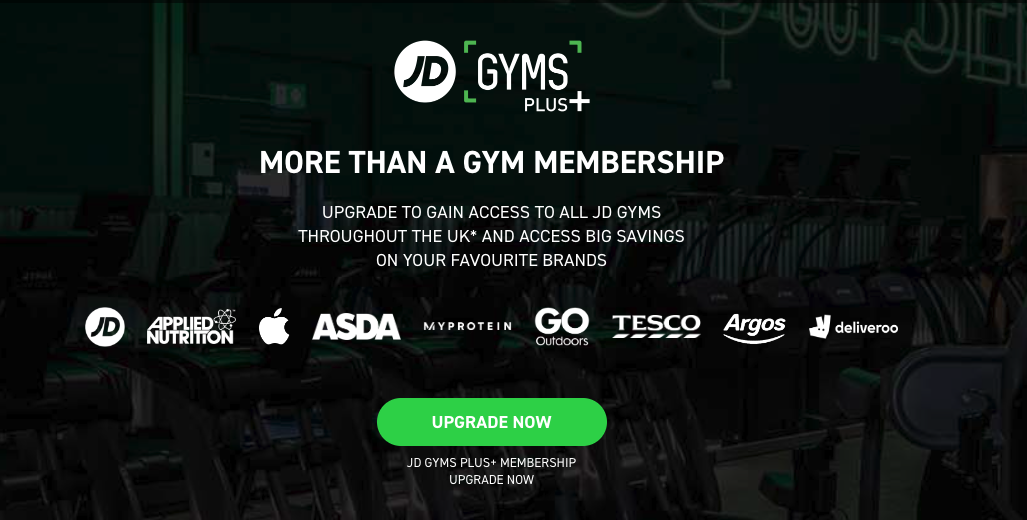
We will end our loyalty programme examples with one of our own clients. JD Gyms built a premium tier, Plus Membership, that folds gym upgrades, gamification and referral rewards into one paid programme. After launching it, premium subscription uptake rose by 5700%, according to our Loyalty Uncovered 2025 report.
McKinsey found that members of paid loyalty programmes are 60% more likely to spend more with a brand after subscribing, against 30% for free programmes. People who pay to join are telling you they are already invested.
The lesson: customers will happily pay for a premium tier, but only when the value is obvious. Make the upgrade genuinely worth it, and they choose it themselves.
Ready to Set an Example with Your Own Loyalty Programme?
So there is your field guide. Ten programmes, ten different ways to make loyalty pay, from HelloFresh’s instant rewards to JD Gyms’ premium tier. If one thread runs through these loyalty programme examples, it is fit.
The Always On model built for a coffee run would sink a furniture brand. The mechanic matters far less than whether it matches how your customers actually behave.
So start there. Look at your customers, your margins and your goals, then choose the type that fits all three. And when you are ready to build it, that is where we come in.
Book a free demo, tell us what you are trying to achieve, and we will show you how to make loyalty work for your brand.
FAQs
Do loyalty programmes actually work?
Yes, when they fit the business. The ten examples above show programmes driving real engagement and spend across very different sectors. The ones that work share a trait: the reward matches what the customer already wants. A programme bolted on without that fit tends to sit unused.
How much does it cost to set up a loyalty programme?
It ranges widely, from almost nothing for a basic scheme to a larger monthly cost for a full digital platform with tiers, gamification and analytics. The right question is not the sticker price but the return: a programme that costs more but drives materially more repeat spend is the cheaper option. Our cost guide breaks the numbers down.
3. How do I choose the right type of loyalty programme for my business?
Start with how your customers behave. High-frequency, low-value purchases like coffee suit Always On or points programmes; high-value, occasional purchases like travel suit tiers; and businesses with a clear premium benefit can charge for it. Match the mechanic to purchase frequency, margins and what your customers actually value.
Why do some loyalty programmes fail?
Usually because the business copied a model that did not fit, or made the rewards too hard to earn. A programme that thrives at one brand can flop at another with different customers and buying patterns. Complex earning rules, weak reward value and ignoring the customer data the programme collects are the most common ways to lose members.
What's the difference between premium and standard loyalty programmes?
A rewards programme is transactional: earn points, redeem points. A loyalty programme is broader, using rewards, tiers, personalisation and experiences to build an ongoing relationship rather than just repeat transactions. Every rewards programme is a loyalty tactic, but good loyalty programmes do more than hand out points.
How long does a loyalty programme take to show results?
It depends on how often your customers buy. High-frequency businesses like coffee shops often see movement within a few months; lower-frequency sectors like furniture or travel take longer, because customers need more time to complete the buy-reward-return loop. Track early signals like enrolment and repeat-visit rate rather than waiting on headline revenue.
How do you measure the ROI of a loyalty programme?
Compare the incremental revenue from members against the programme’s total cost, then look beyond that to retention, purchase frequency and the first-party data you gain. The clearest sign of success is loyal members spending more and advocating for your brand over time. You can model the outcome with Propello Cloud’s ROI calculator.
How often should you refresh your loyalty programme rewards?
Review your rewards quarterly and layer in seasonal or time-limited offers to keep them fresh. Watch what members actually redeem, and retire rewards that are not pulling their weight. Stale rewards are one of the quickest ways to lose engagement.
What customer data do loyalty programmes collect, and how do you stay compliant?
With the member’s consent, a loyalty programme captures first-party data like purchase history, preferences and redemption behaviour, which you can use to personalise offers. Because it is consented and first-party, it is more reliable than third-party data and easier to use compliantly under GDPR. Be transparent about what you collect, gain clear opt-in, and only use the data for what members agreed to.
How do you promote a new loyalty programme?
Launch where your customers already are: your app, your checkout, your email list and your staff. Make the first reward easy to reach so new members feel the value quickly, and give existing customers a reason to join on their next visit. Referrals help too, since a recommendation from a member is worth more than any advert.
Mark Camp
Mark is the Founder and CEO of Propello Cloud, an innovative SaaS platform for loyalty and customer engagement. With over 20 years of marketing experience, he is passionate about helping brands boost retention and acquisition with scalable loyalty solutions.
Mark is an expert in loyalty and engagement strategy, having worked with major enterprise clients across industries to drive growth through rewards programmes. He leads Propello Cloud’s mission to deliver versatile platforms that help organisations attract, engage and retain customers.
Start your customised Propello Cloud journey today
Explore the platform’s scalability, features and customisation options and get answers to your unique questions.