Launching Win Back Campaigns: How to Reactivate Lost Customers
25 min to read
Published: June 13, 2025
Updated: August 10, 2026
A win back campaign re-engages customers who have stopped buying, using personalised, incentive-led messaging to pull them back before they settle elsewhere. Reactivating a lapsed customer lands more often than converting a cold prospect, and costs less. Get the timing, targeting and offer right, and it becomes one of your cheapest growth levers.
Mark Camp
CEO & Founder at PropelloCloud.com
Contents
Key Takeaways
Win-back is one of the cheapest growth levers you have. Reactivating a lapsed customer is far likelier to land than converting a cold prospect, and many who return spend more than they did before.
Timing beats sophistication. Always-on rewards that keep adding value hold customers better than reactive discounts fired off after they have mentally checked out.
Multi-channel works best: email as the foundation, with SMS, push and social retargeting as the supporting relay.
Segmentation is crucial: separate at-risk from fully churned customers, and use RFM analysis to prioritise the high-value ones.
Personalisation beats generic messaging: skip the "We miss you" templates and lead with customer value, not business needs.
Timing matters more than frequency: test the intervals for each channel and segment to land between pushy and forgotten.
Every business loses customers. The ones that win them back have a system ready for the moment people drift, and win back campaigns are how a loyalty programme delivers it. The programme keeps a live line to customers who have stopped buying, and a reason to return.
You might already run a loyalty programme to bring new customers in, or be weighing one up to win the lapsed ones back. Either way, the same engine drives both.
The rest of this piece shows you how to point it at the customers you have already lost.
What Is a Customer Win Back Campaign?
A win back campaign re-engages lapsed customers. These are people who, for a variety of reasons, have stopped interacting with the brand. Most campaigns run on email, though the best ones spread across channels. Every message is personalised and gives lost customers a reason to come back, usually an incentive worth acting on.
The goal moves in three stages. Reactivate the customer first. Restore the retention you were losing. Then, once they are happy again, let them bring others in through referrals.
What’s the Difference Between Retention, Reactivation, and Acquisition in Win-back Campaigns?
Win-back campaigns are built to reactivate. That is the headline job. But the same campaign is also an effective tool for boosting retention and acquisition, and the three are worth pulling apart.
Retention: A win-back effort often starts before the customer has fully gone. Your segmentation flags the ones cooling off, the falling logins, the longer gaps between orders. Reach them there and you restore the customer’s interest before losing them altogether.
Reactivation: This is the core job. The customer has already lapsed, and you reach out with an offer sharp enough to pull them back. Everything else here serves this one goal.
Acquisition: Get the first two right and a third opens up. A reactivated customer who is happy is a customer ready to advocate. Give them a reason to bring someone with them, and the campaign starts feeding the top of the funnel instead of refilling the middle.
According to Paul Farris in Marketing Metrics, there is a 60-70% probability of selling to existing customers. So the advocacy ask is not a cold pitch to a stranger. It goes to someone already sold on you, which is a far shorter distance to close.
Do Win back Campaigns Matter for Customer Lifetime Value?
Yes, and it is not a marginal effect. A reactivated customer is worth more than the reactivation itself, because bringing them back resets a lifetime value you had already written off.
Start with the odds. Marketing Metrics puts the probability of selling to a lost customer again at 20%–40%. Low next to the 60-70% you get with an active customer but streets ahead of the 5-20% you can expect from a cold prospect. You are fishing in a warmer pond.
Then look at what happens once they return. Around 47% of reactivated customers go on to spend more than they did before they left. A share of those quietly double their lifetime value. That is a customer coming back worth more than when they walked.
How Did JD Gyms Reassure Customers During the Covid Crisis?
Rewind to early 2020. JD Gyms were trading from 30 sites and building real momentum. Then the lockdowns hit, the doors shut, and members did the logical thing. If you cannot use the gym, you cancel the direct debit.
Most operators would have fought that with content. Home workout videos, motivational emails, a reason to stay subscribed to a service you physically could not access. JD Gyms did the opposite. They froze payments automatically, so nobody had to cancel anything to stop being charged.
It sounds small. It was not. When people had a hundred harder things to worry about, JD Gyms quietly removed one of them. No cancellation to chase, no payment to argue over. That is how you keep customers loyal when you have every reason to lose them.
What Is the Psychology Behind a Successful Win-Back Campaign?
Every win-back campaign turns on two questions, and both are about people, not process. Why did they leave? And when do you reach back out?
The first rarely has one answer. Customers leave for a tangle of reasons, often several at once. Miss the real one and your best offer lands on the wrong problem.
The second is timing. Too soon and you look desperate. Too long and they are gone, settled somewhere else. The win-back lives or dies in the gap between those two mistakes.
Why Do Customers Leave in the First Place?
According to several sources (Stripe and Salesforce) the main reasons why customers leave businesses come down to:
Poor experiences and support
Misalignment between price and value
Competition
Product gaps
Frictions in onboarding and billing
If one of these keeps recurring, no email will fix it. You have a product or service problem showing up as churn, and it needs solving before you spend a penny winning anyone back.
Solve it, then lead with it. Tell them what changed. Nobody comes back to the same problem they left over.
When Should You Send a Win-back Campaign?
Not the moment they leave, and not six months later. The window sits in between, and where it lands depends on why they went and how it ended. This is where a little psychology earns its keep.
Kairos. The right moment, not just any moment. A trigger event or a renewal date beats an arbitrary calendar reminder.
Recency bias. Reach out while a bad experience is still fresh and that is what they hear, not your offer. Let it cool first.
The peak-end rule. People judge an experience by its high point and its ending. Engineer a decent final impression, and the memory you reactivate pulls its weight.
None of it replaces data. The real answer lives in your own numbers, tested until timing stops being a guess. The concepts tell you where to look. Your data tells you when to send.
How Do You Build A Win-Back Campaign?
A win-back campaign is only as good as the prep behind it. Three things have to be in place before you send a single message: your data, segmented; your channels, sequenced; and an offer worth coming back for. Rush any of them and no subject line will save the campaign.
The next three steps take them in order.
Step 1: Identify and Segment Your Audience
The first step involves reviewing your data. This is where you will segment your audience into categories that should include:
At-risk customers
Lapsed customers
Your at-risk customers will show declining engagement patterns but remain active. Churned customers on the other hand will have completely stopped interacting.
Monitor metrics like login frequency, purchase intervals, and support ticket volume. These will help you distinguish between groups, and prioritise your intervention strategies further down the line.
I’d also recommend conducting an RFM analysis. Recency, Frequency, and Monetary analysis scores customers based on their last purchase, buying frequency, and spending amounts. This identifies high-value churned customers worth prioritising in win-back efforts.
One more pass: study your competitors. You cannot see their back end, but you can read their reviews and join their email lists, which tells you how they are pitching, what they are offering, and when they send. Useful intelligence for shaping your own play.
Step 2: Choose Your Channels and Timing
More channels, more chances to land. Customers move across email, SMS, apps and social in a single journey, and each has a favourite.
Email carries the weight in almost every win-back campaign, the pillar everything else leans on. But some customers will only really notice an offer when it arrives by SMS.
Social is different. You cannot run a personalised win-back on a public feed, and trying to defeats the point.
What social does well is support the campaign around the edges, announcing what has changed, rebuilding familiarity, keeping the brand in view. Treat it as reinforcement, not the main event.
Then there is the loyalty programme itself, which quietly does the job all the others are reaching for. It keeps delivering value when the customer has stopped buying.
JD Gyms is the example again, members on frozen payments still had partner discounts and platform perks, so the relationship stayed warm through months of inactivity.
Which leaves timing. Every channel has its own rhythm, and getting the intervals right matters as much as the message.
Now the offer itself. The best value proposition makes staying feel like the obvious choice and leaving feel like a loss.
JD Gyms understood this. Beyond the payment freeze, the programme offered a network of partner discounts and perks worth hundreds of pounds a year, plus deals across JD’s own sportswear and fashion brands.
The catch was simple. Keep the membership, keep the access. Walk away and it all goes with you.
That is what lifts a value proposition above a discount. Not money off, but entry to something exclusive that disappears the moment you leave. Loss aversion doing the quiet work a coupon never could.
Which Email Tactics Work in a Win-back Campaign?
Two things decide whether your emails get opened and acted on: the subject line that earns the click and the sequence that carries the rest. Even with your segments sorted, channels lined up, and offer built, these mechanics are essential because a strong offer still dies in a weak email.
How Do You Write a Win-back Subject Line?
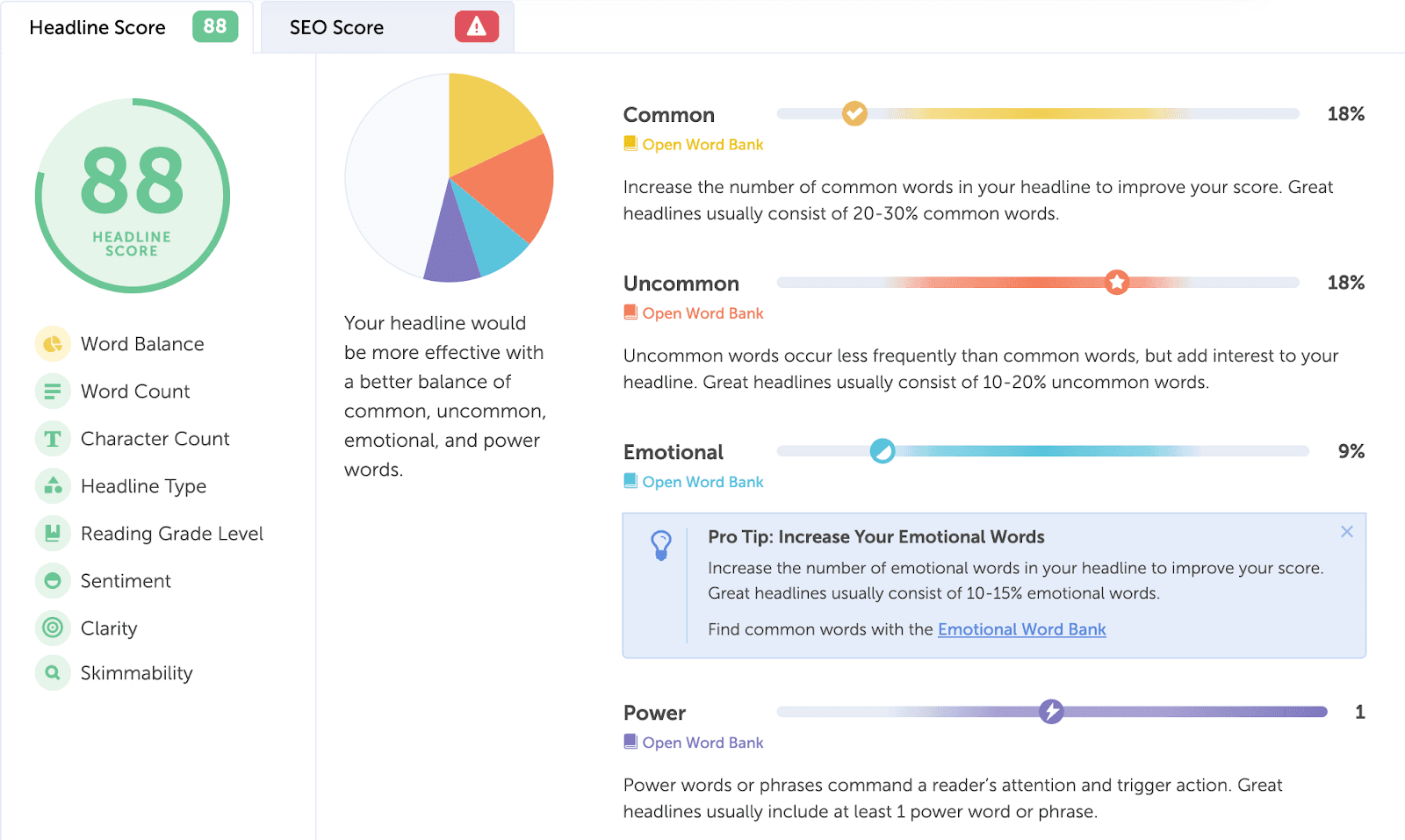
Lead with the benefit as it immediately shows value to your readers. Open a curiosity gap, reinforce what they lose by staying away, or ask a question to make the tone conversational (which also humanises the brand). Nudge the memory of why they liked you in the first place.
The mechanics get you into the inbox. The words earn the click. So test before you launch.
Join your competitors’ lists, collect the subject lines that make you want to open and the ones that do not, and run your own variations through a tester like CoSchedule’s Email Subject Line Tester. Then A/B split your best candidates on a small slice of the list before the real send.
One honest caveat on measurement. Open rate is the natural way to judge a subject line. But Apple’s Mail Privacy Protection now inflates opens by pre-loading images, so treat it as a rough signal and lean on click-to-open and reply rates for the truth.
A few other things worth watching:
Length. Shorter tends to win. Aim for roughly 30 to 50 characters. The data is not unanimous, but the weight of it favours brevity.
Mobile. Phones cut subject lines off around 30 characters, so lead with the hook and let the rest run on.
All caps and sensationalism. ALL CAPS, exclamation-mark pile-ups and emoji spam read as desperate and stack up spam signals. Skip them.
Trigger words. Words like free, buy now and act fast will not block you on their own, whatever the old advice says. Modern filters judge on full context, sender reputation and engagement. But stack those words with shouty formatting and a weak reputation and your spam score climbs fast.
First names. Dropping a first name in the subject used to lift opens. Now everyone does it, so it barely moves the needle, and a broken merge tag turning up as “Hi {FirstName}” screams bulk send. Personalise deeper than a name, or not at all.
Nail these and the subject line does its job: it gets you in the room. What happens next is down to the offer.
How Should You Sequence Your Win-back Emails?
From our table above you’ll know that loyalty and marketing experts suggest sending 3 to 5 emails. You’ll also know to send a win-back email every 3-5 days. Treat those as starting lines, not laws.
They are industry averages, and your own data will beat them every time. Test the intervals, watch what your lapsed segments actually respond to, and let the numbers set the cadence.
A bare first name in the subject barely earns its place now, so put your personalisation somewhere it counts: the offer itself.
This is where a loyalty programme pulls its weight. Integrate your datasets and it hands you the behavioural history to tailor what you send, not just who you address.
Push that far enough and patterns emerge. Whole segments sharing the same preferences, the same reasons for drifting, the same triggers. That is hyper-segmentation, and it lets you build one sharp offer for a group instead of a generic one for everybody.
Split your at-risk customers by past purchases or feedback, then send each cluster the thing most likely to bring them back.
What Are the Best Practices for Using Multiple Channels in a Win-back Campaign?
Use each channel for the one job it does best, and make them work as a relay rather than rivals for the same send. Email carries the argument. The faster channels close the gap between reading it and acting.
Here is how each earns its place.
SMS and Push Notifications
SMS and push are your immediacy play. They land in seconds, which makes them worth their intrusion only when the timing itself adds value: an instant reward, a perk about to expire, an account update that cannot wait.
So do not use them to repeat a promotion. Use them to move one. The email makes the case for a loyalty benefit. The SMS or push that follows a day later turns the intention into an action. One introduces, the other prompts.
Keep the tone, the timing and the offer consistent across both, or the seam shows. When your CRM, email and messaging tools are wired together and firing in sequence, the customer does not see the machinery. They just feel a brand that is paying attention.
Social Media Retargeting
Social is where you catch the ones who ignored everything else. Paid retargeting puts you back in front of lapsed customers on Facebook, Instagram and TikTok, the people who let your emails go unread and your texts unanswered.
The rule here is native, never pushy. A retargeting ad that shouts a discount gets scrolled past. One that shows what has changed earns a second look. New features, fresh perks, improvements you made because customers asked. That is a reason to look again.
Match the creative to the platform. Instagram rewards visual storytelling, TikTok wants short and fast, LinkedIn takes the straight service update.
And keep the ask soft. “See what’s new” will pull more lapsed customers back than “Here’s 20% off” ever will, because you are rebuilding familiarity, not forcing a sale.
How Should You Measure the Success of Your Win back Campaigns?
Reactivation rate is the headline: the share of your lapsed list that came back and bought. Track it by segment, because 30% reactivation among high-value customers is worth far more than 30% among one-time bargain hunters.
Customer lifetime value is the one that matters longer. A reactivated customer who churns again a month later recovered nothing. The real win is the ones who come back and stay, lifting the value of the whole cohort over time.
Campaign ROI ties it together. Revenue recovered against what the campaign cost to run. Get that ratio right and win-back becomes one of the cheapest growth levers you have.
JD Gyms is the proof that loyalty investment pays back. Their Plus membership programme, built on the same engagement thinking, drove a 5,700% rise in premium subscriptions, and retention and lifetime value have kept climbing since.
Reactivate a customer well and you do not just recover a sale. You restart a relationship.
What Are Common Mistakes to Avoid in Your Win-Back Campaign?
The common win-back mistakes fall into two camps: timing and messaging. Being too aggressive or too passive, ignoring segment-specific timing, leaning on generic templates, or making the message about you instead of the customer.
Any one of them can sink a campaign you otherwise built well. Here are the four.
Timing Errors
Too aggressive, or too passive. Daily messages to a barely-lapsed customer reek of desperation, and desperation churns them faster. Leave it six months and a competitor has already moved in. The sweet spot is not a fixed number. It is whatever your testing shows your audience will tolerate.
Ignoring segment-specific timing. A high-value customer earns a response in weeks. A low-engagement one can wait months. B2B buyers need longer runways than B2C, and a seasonal business should follow the buying calendar, not an arbitrary one. One schedule for everyone is a schedule wrong for most.
Messaging Pitfalls
Generic everything. “We miss you” is the laziest line in the inbox, and customers clock it instantly. Template messaging underperforms and actively dents how your brand is seen. Every generic send teaches them to ignore the next one.
Talking about yourself. Messages built around your milestones or your sales targets answer a question nobody asked. Customers want their own problem solved, not your quarter rescued. Lead with what changes for them, or do not send.
Your Win-Back Campaign Action Plan Awaits
And there we have it. You’ve got all the necessary information you need for shaping your win-back campaign.
Remember the fundamentals. Start with your data. Find your highest-value lapsed customers, build an offer that answers why they left, and test it before you send it wide.
If you would rather not build it alone, that is what we do. Get in touch and we will help you turn lost customers into your loudest advocates.
FAQs
What is a customer win back campaign?
A customer win back campaign is a targeted marketing strategy designed to engage lost customers who have stopped interacting with your brand. These campaigns use personalised messaging and incentives to reactivate churned customers based on their behaviour patterns.
How effective are win back email campaigns?
Win back email campaigns can be highly effective when properly executed. Marketing Metrics puts the probability of re-selling to a lapsed customer at 20-40%, well above the 5-20% you would expect from a cold prospect. The key is personalised messaging and a value proposition worth returning for.
When should I start a win back campaign?
Start win back campaigns 30-90 days after last customer activity, typically around day 45 for email. SMS works best at 60-75 days, while push notifications should trigger at 7, 14, and 30 days of inactivity based on usage thresholds.
What's the best way to engage lost customers?
To engage lost customers effectively, segment them based on departure reasons, craft personalised value propositions addressing their specific needs, and use multi-channel approaches. Avoid generic “we miss you” messages and focus on real benefits.
How many emails should I send in a win back campaign?
Send 3-5 win back emails spaced every 3-5 days. This frequency allows sufficient touchpoints without overwhelming customers. Test different sequences with your audience, as optimal frequency varies based on customer segments and industry.
Should win back campaigns target all churned customers?
No, prioritise high-value churned customers based on RFM analysis. Focus on customers with recent purchases, high frequency, and strong monetary value. This approach maximises ROI and ensures resources target segments with greatest potential return.
What incentives work best in customer win back campaigns?
Effective incentives address specific departure reasons: exclusive access, loyalty perks, service improvements, or partner discounts. Avoid generic discounts. JD Gyms succeeded by offering convenience and exclusive brand partnerships rather than fitness content.
How do I measure win back campaign success?
Track reactivation rates, customer lifetime value improvements, and campaign ROI. Successful campaigns should achieve 20-40% reactivation rates. Monitor long-term retention to ensure reactivated customers remain engaged beyond the initial campaign period.
What are common win back campaign mistakes?
Common mistakes include timing errors (too aggressive or passive), generic messaging, focusing on business needs over customer value, and ignoring segment-specific requirements. Always personalise based on customer data and test frequency tolerance levels.
Can social media be used for customer win back campaigns?
Social media works as supportive retargeting for customers based on their engagement history. Use platforms like Facebook and Instagram for paid ads highlighting improvements. However, avoid direct win back messaging on social media as it defeats personalisation objectives.
Mark Camp
Mark is the Founder and CEO of Propello Cloud, an innovative SaaS platform for loyalty and customer engagement. With over 20 years of marketing experience, he is passionate about helping brands boost retention and acquisition with scalable loyalty solutions.
Mark is an expert in loyalty and engagement strategy, having worked with major enterprise clients across industries to drive growth through rewards programmes. He leads Propello Cloud’s mission to deliver versatile platforms that help organisations attract, engage and retain customers.
Start your customised Propello Cloud journey today
Explore the platform’s scalability, features and customisation options and get answers to your unique questions.