
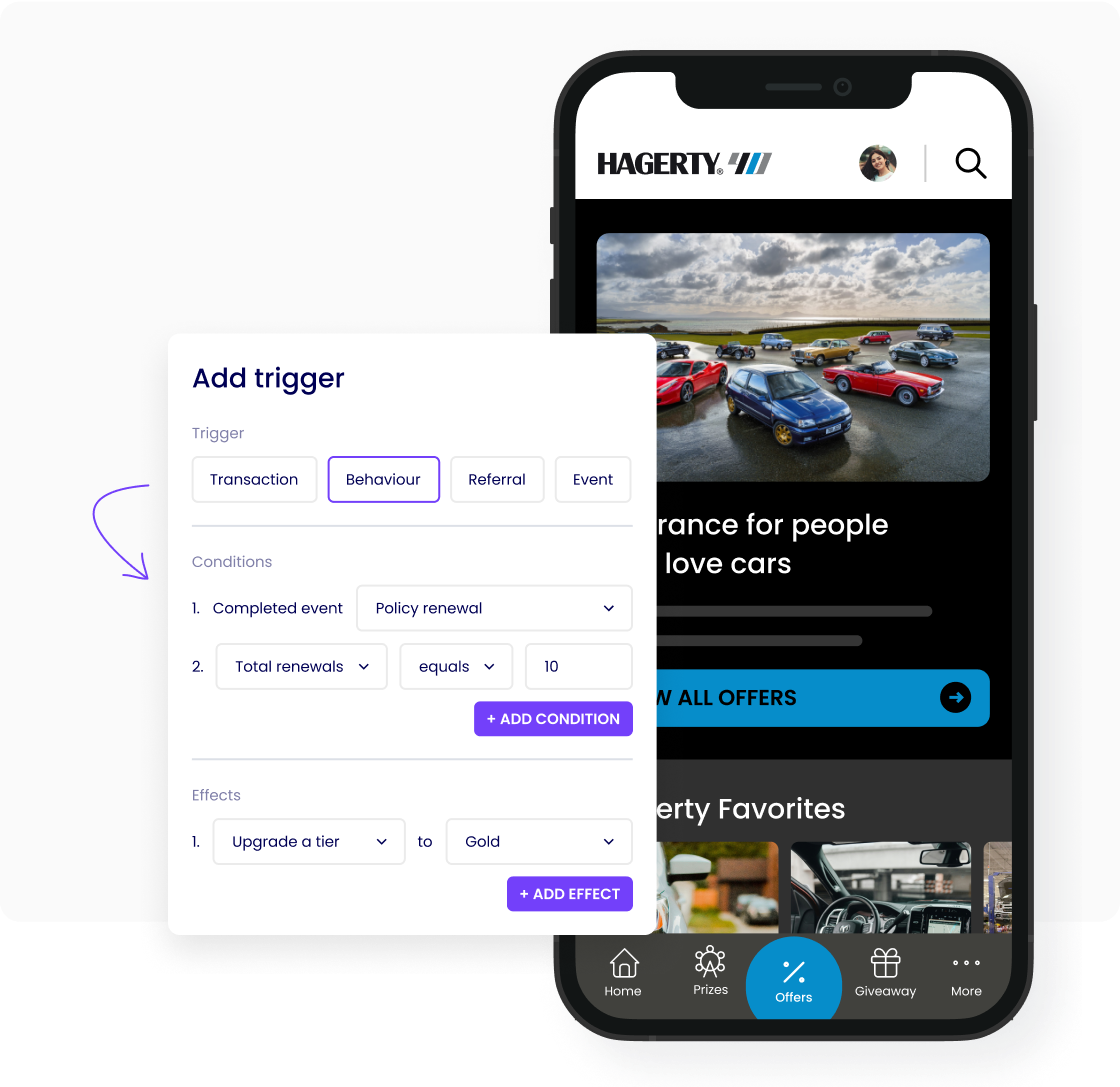
 An effective loyalty programme can also incentivise desirable customer actions such as a policy renewal, cross-sells or upsells or a referral by using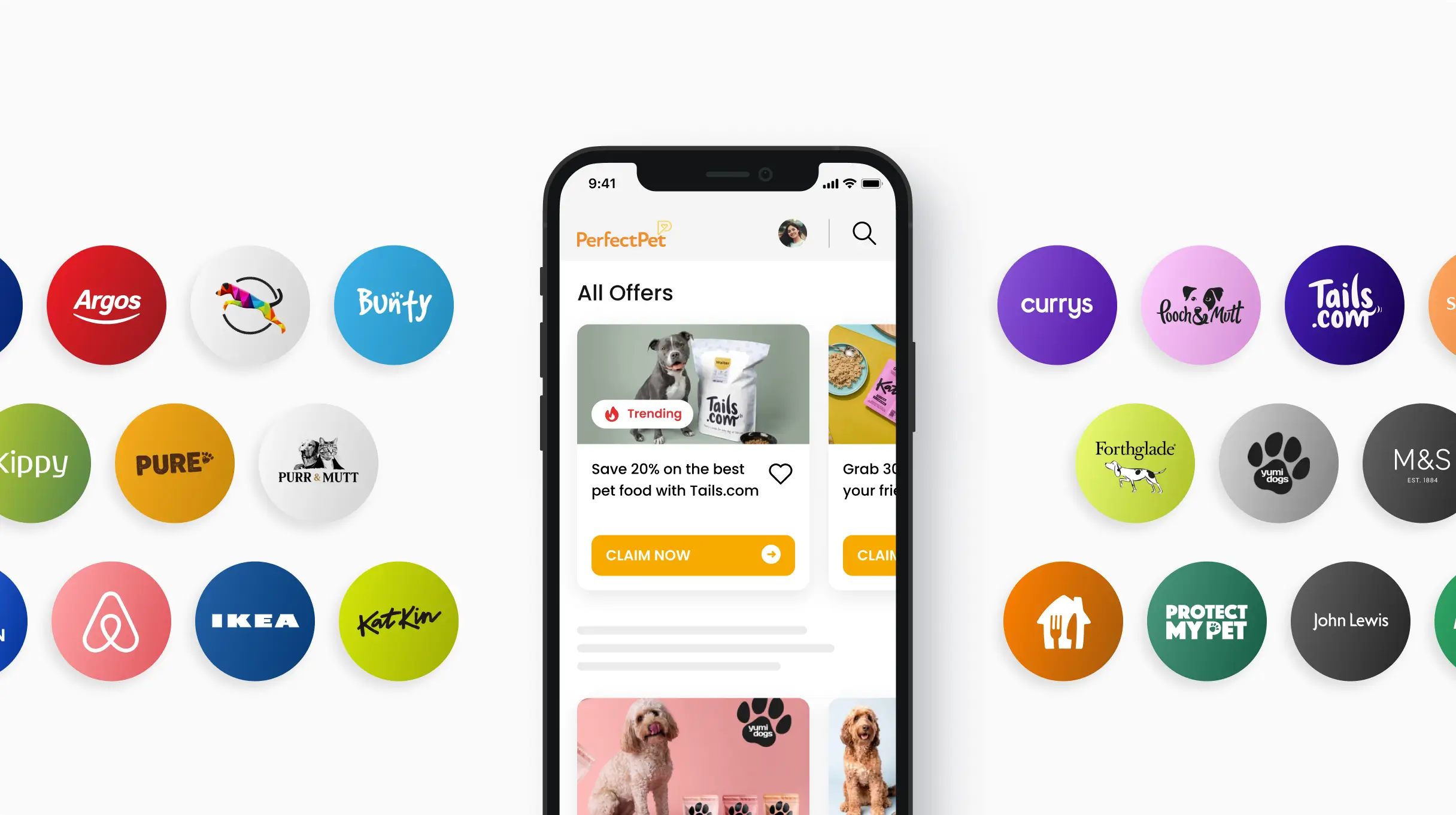
Against the backdrop of changing customer expectations and new regulations, insurers can no longer rely on acquisition alone. Engagement strategies are essential for future retention, loyalty, and differentiation from competitors.
Insurers stop churn by engaging policyholders between renewals, not just at them. Price walking rules ended the loyalty penalty, so retention now rests on giving customers a reason to stay: loyalty rewards, relevant communication, behaviour-based incentives and community. The insurers that build engagement into the quiet middle of the policy year are the ones that hold their book.

Consistent customer engagement remains a key challenge for many insurance companies largely because they’ve never had to focus on it before. Traditionally, insurers had little need to engage with customers between policy renewals. And for policyholders, hearing from their insurer usually meant one thing: something had gone wrong.
But times have changed. Modern consumers expect the brands they choose to engage with them. While that expectation hasn’t always extended to insurance, fairly recent regulations on price walking have forced insurers to adapt.
In January 2022, the FCA’s general insurance pricing practices rules banned charging loyal customers more at renewal than new ones for the same policy. That has since forced insurers to shift away from acquisition-led strategies and focus more on retention.
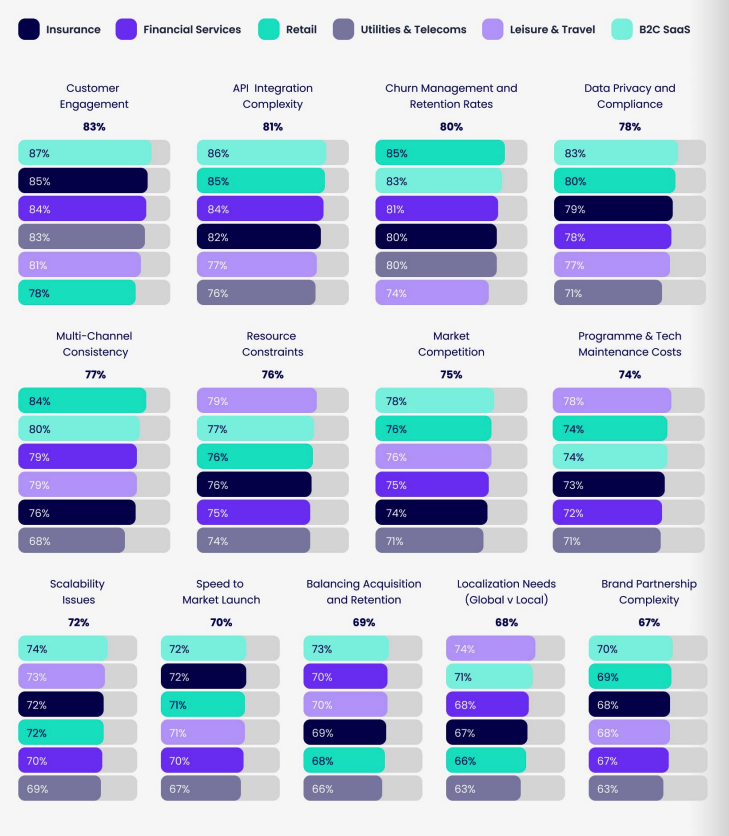
Ask insurers what they struggle with most and the answer is engagement. In our 2025 Loyalty Uncovered Report, where we spoke with professionals from 100 enterprise brands, customer engagement came out as the single biggest challenge for the insurance companies at 85%.
Challenges faced by insurers compared to other industries:
(Source: Propello 2025 Loyalty Uncovered Report)
Insurers struggle because the challenges are structural, not attitudinal. Several forces work against them: few natural touchpoints between renewals, legacy systems that make digital feel clunky, a trust deficit in an online-first market, and a customer base too varied for one-size messaging. Working with insurers like Hagerty UK and Perfect Pet, we’ve seen each one up close.
Limited Engagement Opportunities Between RenewalsTraditionally, insurance is a low-touch sector. In the past there was very little interaction between sign-up and renewal. Some customers may have this dynamic embedded in their minds, and as a result, that’s influencing their behaviour. To break the mould, insurers will need to be proactive in their communication efforts. |
The Digital Experience Gap in InsuranceLegacy systems are still rife in the insurance sector. This digital debt shows up in the customer experience as a slow, impersonal, and inconsistent service. Friction emerges at every stage of the policyholder journey, the opposite of the seamless, real-time interactions that today’s digital-first customers expect. |
Rebuilding Trust in an Online-First Insurance LandscapeThe age of online interaction has rewritten the rules for earning customer trust. Today’s policyholders want transparency around data use, value exchange, and the absence of hidden catches. Insurers must prove themselves at every digital touchpoint. In this context, credibility and reliability are just as important as convenience and personalisation. |
Connecting With the Digitally Empowered PolicyholderToday’s insurance customers are digitally fluent. They expect the same on-demand experiences they get from leading consumer brands. Engagement strategies must reflect this mindset. Relevance, speed, and convenience are essential across digital channels that customers actually use (mobile apps, social media platforms and real-time messaging). |
Meeting the Needs of a Diverse Customer BaseDemographics vary widely and behaviours and expectations are even more nuanced. Effective engagement means understanding customers on an individual level. Insurers should implement smart customer segmentation, data-driven insight, and tailored outreach, and meet younger, digital-native customers where they are, while still delivering meaningful value to older, more traditional policyholders. |
Insurers are approaching engagement by moving the relationship out of the renewal window and into the year around it. I saw the shift laid out plainly in our 2025 Loyalty Uncovered Report. Among the insurers we spoke to, 86% said they were prioritising strategic brand partnerships and 83% were pressing on with personalisation.
That is a clear direction of travel. Insurers are leaving purely transactional relationships behind and building touchpoints that keep customers engaged between renewals.
Personalised interactions and value-added partnerships do the heavy lifting, because both give customers a reason to stay. The payoff shows up as lower churn, higher lifetime value and stronger brand preference.
The wider engagement data backs the bet. Braze’s Global Customer Engagement Review found that 85% of brands embracing customer engagement exceeded their revenue goals in 2023.
Insurance companies improve engagement by turning every touchpoint outside the claim and the renewal into something a customer actually wants to open. That runs across seven levers: loyalty and reward programmes, brand partnerships, gamification, behaviour-based incentives, referrals, personalised communication and community. Each one adds a reason to engage between the two moments insurers have always relied on.
1) Loyalty and Reward ProgrammesLoyalty programmes are among the most effective digital tools insurers can use to drive ongoing customer engagement and ultimately retention. With an insurance reward programme in place, insurers can increase positive interactions throughout the policy lifecycle by offering rewards from closely aligned brand partners, which we’ll discuss more in the next section. These programmes are a value add for customers and offer an opportunity to offset their policy cost through savings and discounts on products that they would purchase anyway.
Done well, insurance loyalty programmes turn passive policyholders into active participants and give customers a lasting sense of connection to their insurer all year round. |
2) Hyper-Relevant Brand PartnershipsContinuing on from loyalty and reward programmes, brand partnerships are critical to these programmes and widen the scope of value creation. Perfect Pet, for instance, collaborates with pet-focused brands like tails.com and Protect My Pet, offering nutrition and health perks through their reward programme.
These partnerships provide policyholders with real, everyday benefits tied to their lifestyle. For insurers, this drives regular engagement between renewals and unlocks partner revenue streams (via affiliate commission, for example). It matters because it transforms low-touch policies into high-frequency value exchanges. Plus, it helps insurers stand out. In a competitive market with near-identical coverage and pricing, strategic brand partners offer a powerful edge in engagement and long-term customer retention. |
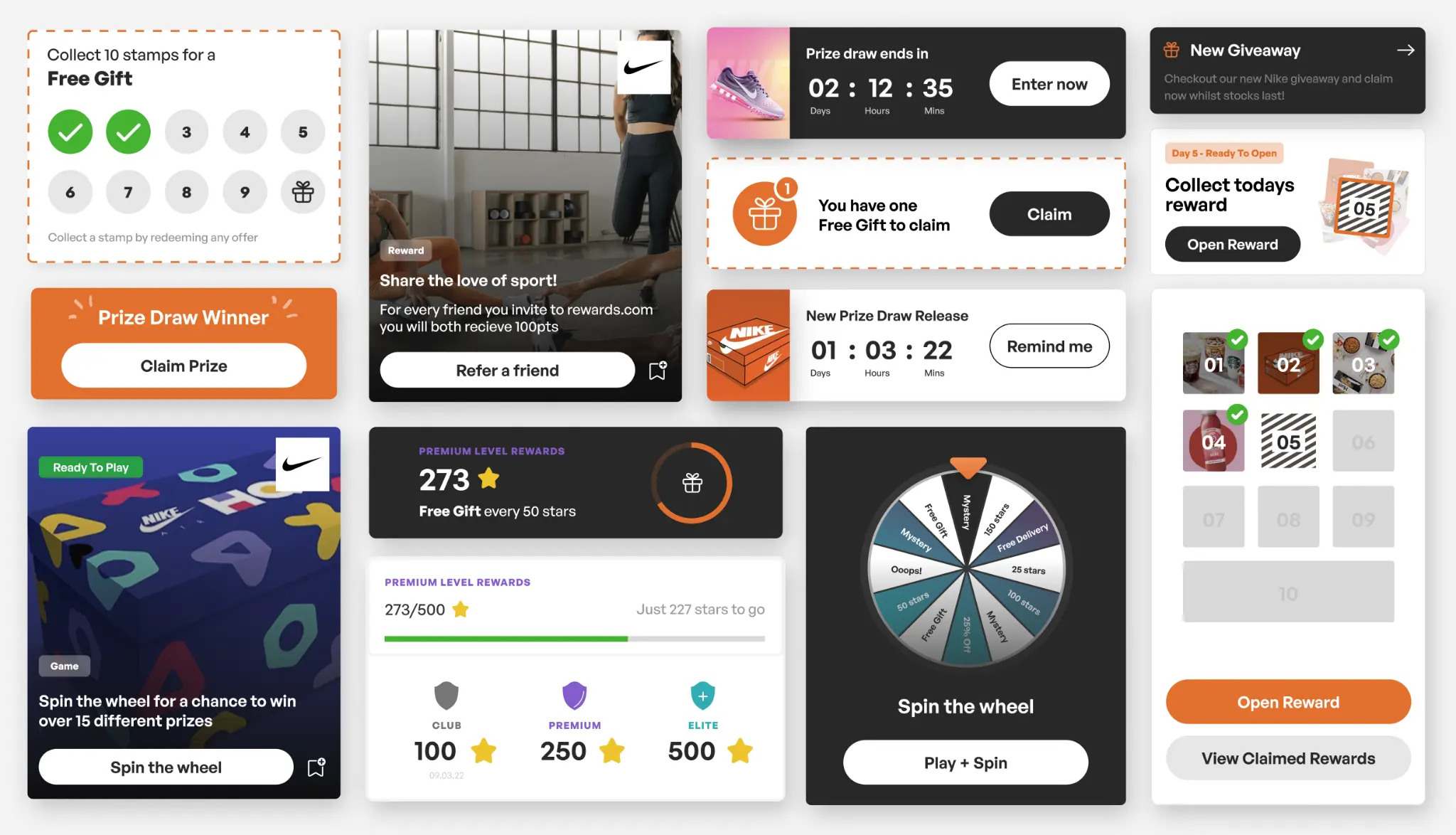
3) GamificationGamification introduces game-like mechanics into loyalty programmes. What otherwise would be static touchpoints are reimagined into interactive experiences. Think elements like challenges, leaderboards, spin-to-win games, and tier progression. Each of these motivate repeat behaviours and build habit-forming engagement. The thing about gamification is it adds another dimension to your loyalty initiatives. Mechanics like points-based loyalty still have their uses (although not really applicable to insurers). But they’re so common now that customers expect more in their experiences with the brands they choose. Gamification presents the universal attractive concept of play, progression, and recognition. For insurers, this means greater participation between renewals and more emotional stickiness with your brand.
|
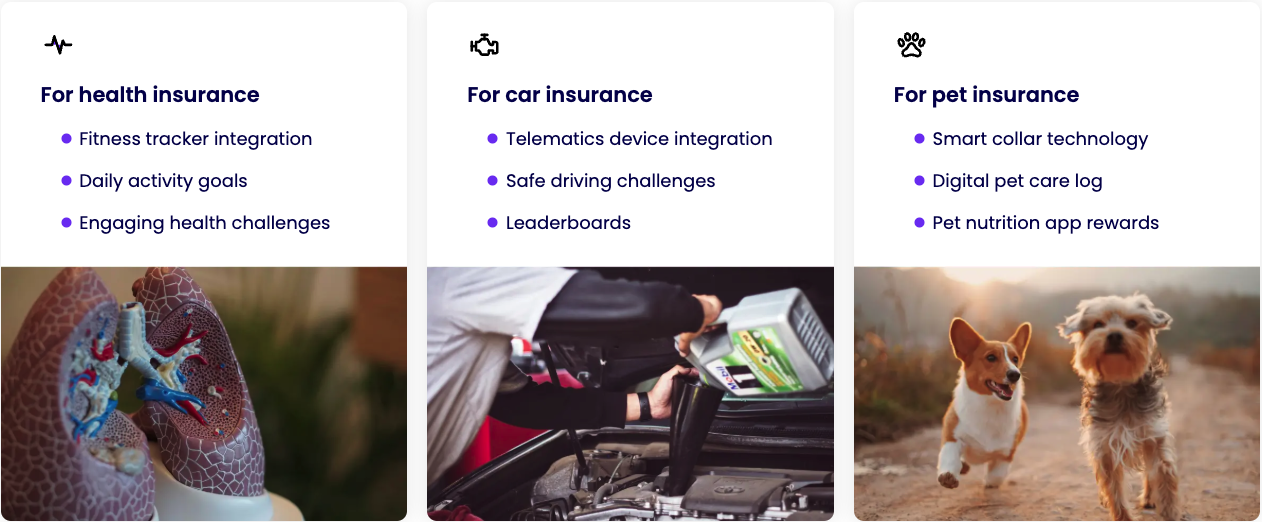
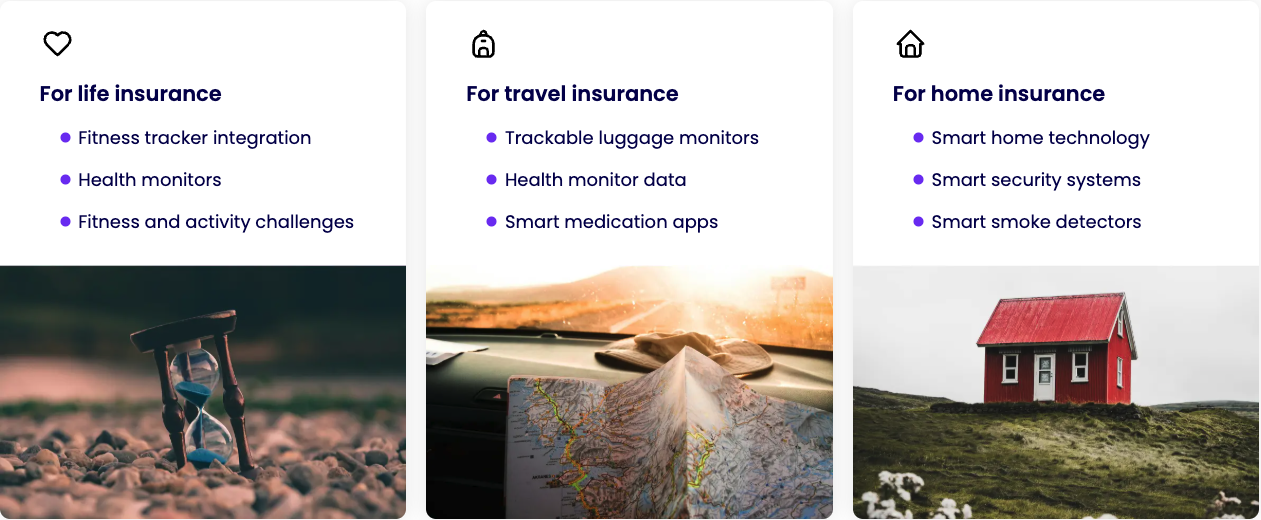
4) Incentives that Reward Positive BehaviourOur recent Loyalty Uncovered Report found that insurance providers in 2025 are prioritising investments in engagement. As loyalty programme tech progresses, we’re beginning to see a shift in behaviour-based engagement. Using real-time customer data from insurtech like telematics or wearables deepens customer relationships because insurers can nudge policyholders toward safer or healthier habits. Not only does this drive down claims, it increases the insurer’s presence in the policyholder’s life in a way that’s non-intrusive and natural and opens up the opportunity for a policy renewal. Programmes like Vitality use this approach to personalise rewards, create meaningful touchpoints, and reinforce long-term behaviour change with specific customer segments. It’s a shift from one-off perks, building instead a continuous loop of engagement where customers feel supported in improving their lives. In many ways, it positions insurers as an active partner, not just a service provider. How different insurance sub-sectors can engage their customers through incentivising positive behaviours:
|
5) Referrals as an Engagement ToolReferral programmes give satisfied policyholders an opportunity to advocate the brand to their friends and family. Naturally, a byproduct of this is improved acquisition. But they also establish a robust engagement loop. Because insurers that reward customers for referring friends or family are encouraging deeper emotional investment in the brand. What follows is a two-way relationship, where customers feel valued and involved. Adding gamified or tiered incentives can enhance impact, turning casual recommenders into true brand champions. Well-structured referral schemes significantly lower acquisition costs and increase lifetime value, proving that engagement and growth can go hand in hand. |
6) Personalised Content and CommunicationIn today’s insurance landscape, personalisation is at the centre of effective engagement. Tailored messaging that’s relevant to customers on the individual level makes them feel seen and understood. As a result, it builds rapport with the customer because they feel the brand knows them on a personal level. Using data, insurers can tailor messaging to life stage, policy type, and behaviour. They could send out birthday wishes, a reminder on insurance products they’ve browsed, tailored advice at renewal, and even personalised videos. The number one rule: relevance is always key. Personalised communication builds trust, shows attentiveness, and creates the sense that customers are understood and seen, not just another policy number. |
7) Community Clubs and EventsCreating a community gives insurers a powerful way to build lasting relationships with their most passionate customers.
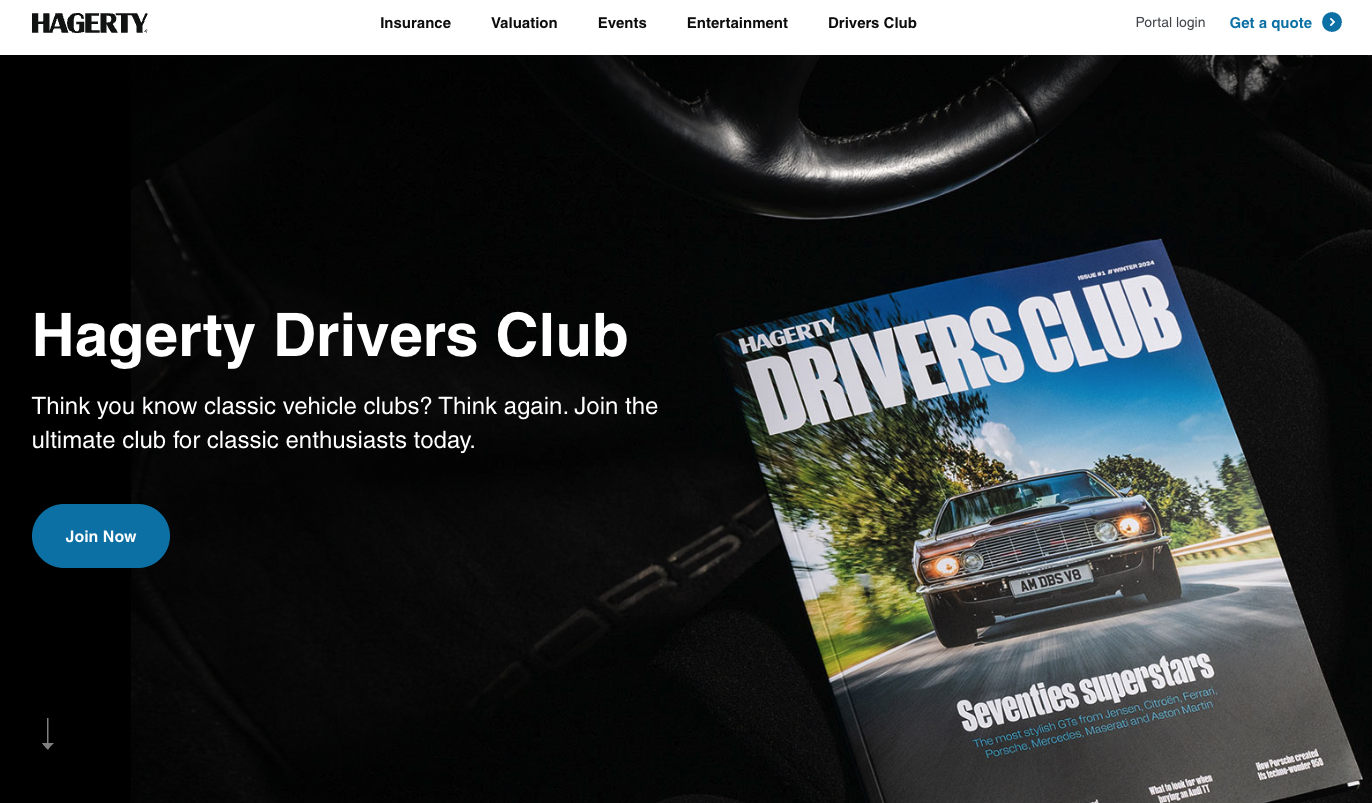
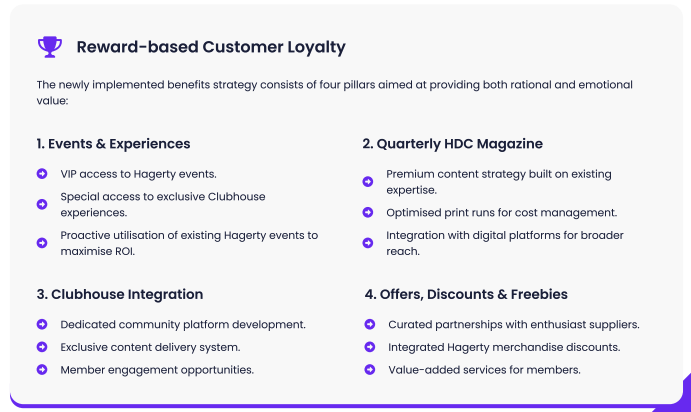
Take Hagerty, a classic car insurer, which also runs HDC UK, a drivers club, which offers a space for classic car enthusiasts to connect, access exclusive content, and participate in events. With their dedicated rewards platform powered by Propello Cloud, Hagerty promotes its Drivers Club as a customer benefit, allowing classic car insurance policyholders to become active members of a lifestyle-driven community. Community invokes a sense of belonging and shared identity, both of which are key drivers of long-term engagement. For insurers, it’s a way to go beyond policies and become a brand customers choose to spend time with. Hagerty Drivers Club benefits for classic car insurance policy holders:
Get the full case study to see how this classic car insurer is engaging its customers. |
The future runs on three things: intelligence, purpose and participation. Insurers are already moving. In our 2025 Loyalty Uncovered Report, they named brand partnerships and personalisation as their top priorities, and the pull toward purpose and co-creation is close behind. AI, values-based engagement and customer-led innovation are where the next gains sit.
Artificial Intelligence and the Future of Customer ServiceAI is redefining how insurers engage at scale. From a customer’s perspective, most of us will have seen chatbots. Behind the scenes, predictive analytics does the quieter work, flagging what a policyholder is likely to need before they ask. Both make support faster and more relevant, and both turn a low-touch relationship into a responsive one. |
Purpose-Driven and Values-Based EngagementToday’s insurance customers still expect protection but they’re also increasingly looking for purpose. Values, sustainability and a sense that the brand stands for something now feed the decision to stay. A 2023 Bain & Company study found that 80% of insurance customers want providers to embed ESG and sustainability into their offerings. Yet only half of the insurers we spoke to plan to act on this within the year. Brands that align with customer values will be better positioned for the long term. As insurance customers shift toward emotional loyalty, businesses will need the right strategies in place to meet those expectations. It’s quickly becoming apparent that price alone is no longer enough to sustain meaningful, long-term engagement. |
Feedback, Co-Creation, and Customer-Led InnovationSome insurers are going further and turning customers into co-creators. In our own work with insurance companies, the pattern is consistent: co-created solutions drive faster innovation, deeper engagement and offerings that actually fit what customers want. Swiss health insurer Sympany shows what that looks like in practice. Its Customer Advisory Council, around 250 policyholders, reviews and votes on proposed changes before they ship, from the wording of documents to service design. The wider shift is toward real-time feedback loops rather than full co-creation, and even that lighter touch pays off. In a SurveySensum case study, Allianz used real-time listening to cut customer complaints by 23%. The direction is clear: the more insurers let customers help shape the service, the more engaged those customers become. |
Customer engagement in insurance is never about gimmicks. It is about making every point of contact across the journey relevant, valuable and worth the customer’s attention. Loyalty programmes pull the separate strands into one coherent system, whether you lean on personalised content, strategic partnerships or community.
But technology alone will not create emotional loyalty. That takes balancing digital transformation with a human touch: proactive, empathetic experiences that respond to who your customers are and what they value.
The future belongs to insurers who build engagement into their culture, not their campaigns. It means thinking past the transaction and putting real energy into the quiet middle of the policy year, where most insurers fall silent and the churn quietly begins.
Against the backdrop of changing customer expectations and new regulations, insurers can no longer rely on acquisition alone. Engagement strategies are essential for future retention, loyalty, and differentiation from competitors.
Insurance has traditionally been low-touch, with minimal interaction between sign-up and renewal. Breaking that pattern means building new mid-policy value through digital communication and incentives.
Loyalty programmes create regular touchpoints between renewals. They reward behaviours like updating details, renewing early, or engaging with content, fostering ongoing interaction and brand loyalty.
Gamification introduces interactive elements like challenges, badges and points that make engagement enjoyable and habit-forming, which supports both retention and brand affinity.
Modern insurance portals now do more than admin, bringing together content, rewards and community. The engagement adds up across channels: an insured.io study of 250,000 policyholders found those who repeatedly use multiple self-service channels have a 25% higher retention rate.
They offer everyday value beyond the policy. For example, home insurers partnering with smart device brands create co-branded experiences that resonate with lifestyle needs and drive loyalty.
They reward actions like safe driving or healthy habits. Insurers become part of daily life, and these everyday interactions build trust and reinforce positive customer relationships over time.
Referral schemes reward advocacy and encourage deeper brand involvement. Customers that share a brand they trust make acquisition cheaper, faster, and more successful due to higher rapport and trust amongst social circles.
Personalisation is all about delivering timely, contextual content and messaging that resonates with an individual’s behaviours and needs. It boosts relevance, and when something is relevant to an individual, they are more likely to notice and engage with it.
They build a sense of belonging and identity, useful for insurance companies that are typically low-touch. Similarly, if you serve a niche market (like Hagerty does classic car enthusiasts), a community is great because your brand becomes the focal point of customers engaging with each other over shared interests.
Explore the platform’s scalability, features and customisation options and get answers to your unique questions.