Insurance lead generation is easy to get busy at and hard to get right. The agencies that win focus on lead quality over raw volume, using genuine value to attract prospects who are ready to buy rather than pushing harder at people who aren’t. This guide covers eight techniques that do exactly that.
Mark Camp
CEO & Founder at PropelloCloud.com
Contents
Key Takeaways
Insurance lead generation works best when it focuses on lead quality over raw volume, attracting people already inclined to buy.
High-quality leads share four traits: active interest, engagement, a demographic fit with your ideal customer, and complete contact details.
A sound insurance lead generation strategy starts with clear goals, a defined target audience, and budget weighted towards the channels most likely to reach them.
The eight most effective techniques are referral marketing, partnership programmes, price comparison listings, content, SEO, social media, email, and website optimisation.
Referral and partnership programmes deliver some of the highest-quality leads, because trust from an existing relationship carries over to the prospect.
Personalisation and genuine value convert better than pushy sales tactics, and build the trust that turns a lead into a long-term customer.
Measure lead volume, lead quality, conversion rate, customer acquisition cost and ROI, and judge every channel on cost per policy sold.
To generate high-quality insurance leads, stop chasing volume and focus on attracting people already inclined to buy. The most reliable route to insurance lead generation is to lead with genuine value across a handful of trust-based channels. That way, prospects come to you warm rather than being pushed through a cold sales pitch.
What Is Insurance Lead Generation?
Insurance lead generation is the work of finding people who have shown interest in your policies and turning that interest into a conversation. Done properly, it hands your agents a steady stream of prospects to engage, educate and guide towards a sale, instead of a cold list to grind through.
Not every lead is worth the same effort, though. There are three main types and a handful of signals that separate a lead worth chasing from one that wastes your afternoon.
What Are the Types of Insurance Leads?
Insurance leads come in three types: shared, exclusive and self-generated. The difference is how many agents get the same lead and how you acquire it, and that changes both the cost and the effort to convert.
Shared leads: sold to several agents at once. Cheaper, but you’re competing for the same prospect, so they take more work to convert.
Exclusive leads: sold to you alone. More expensive, but far better odds of converting when they fit your target audience.
Self-generated leads: the ones you bring in yourself through content, social media and SEO. Usually the highest quality, because the prospect already knows your brand and chose to engage with it.
How Can Insurers Identify High-Quality Leads?
A high-quality insurance lead shows four things: active interest, engagement, a demographic fit with your ideal customer, and complete contact details. Spot those and you’re looking at someone ready to buy, not just browse.
Active interest: they know roughly what cover they need and are willing to share proper contact details to get it.
Engagement: they read your content, ask questions and respond to your calls to action. Movement is the signal.
Demographic fit: they match the age, location and income profile of the customers your policies are built for.
Detailed information: they hand over complete, accurate contact details, which makes following up and building a relationship far easier.
What Are the Benefits of Generating High-Quality Insurance Leads?
High-quality leads pay off in three ways: better conversion rates, higher ROI and steadier growth over time. The logic is simple. When the people entering your pipeline actually want what you sell, more of them buy, each one costs less to win, and your revenue stops depending on constantly refilling the top of the funnel.
Better conversion rates: chase relevant, interested leads and more of them turn into paying customers.
Higher ROI: target the right audience and nurture qualified leads, and every pound of marketing spend works harder.
How Can You Develop an Insurance Lead Generation Strategy?
You build an insurance lead generation strategy in three steps: set clear goals, pin down your target audience, and put budget behind the channels that reach them. What makes the effort worth it is the nature of the sector.
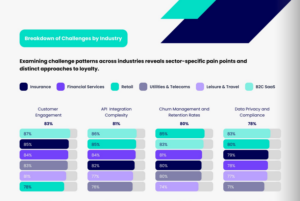
In Propello Cloud’s Loyalty Uncovered 2025 research, insurance brands rate customer engagement their toughest challenge of all, at 85%, because people barely hear from their insurer between renewals. Get the strategy right and the few touchpoints you do get start pulling their weight.
Set Goals and Objectives
Start by deciding what you actually want the leads for. A clear goal, whether that’s more conversions, higher lead quality, or a push into a new insurance line, shapes every choice that follows.
Vague ambitions like “more leads” give you nothing to measure against. Pick a specific target and a number to hit, and the rest of the strategy has something to aim at.
Identify Your Target Audience
Next, get specific about who you’re selling to. Build a profile of your ideal policyholder: their age, location and income, yes, but also their behaviour, their motivations and the pain points that send them looking for cover in the first place.
The sharper that picture, the more precisely you can target the right leads and tune your message to what they care about. McKinsey found 71% of consumers want brands to personalise interactions, and 76% get frustrated when they don’t.
Speak to a prospect’s specific situation rather than firing the same generic pitch at everyone, and you lift both engagement and the odds they convert. Tailored service is also how an insurer builds the trust that turns a lead into a long-term customer.
Allocate Resources and Budgets
Finally, put money and effort where the strategy points. Content, SEO and social media all work, but none of them work for free. They need time, budget and someone to run them consistently.
Decide what each channel is worth to you based on the goals you set, and weight your spend towards the ones most likely to reach your target audience.
If your team is stretched, lead generation software or a specialist service can take on the heavy lifting and tighten your results.
What Are the Most Effective Methods for Generating High-Converting Insurance Leads?
The most effective insurance lead generation tactics are referral marketing, partnership programmes, price comparison listings, content marketing, SEO, social media, email marketing and website optimisation.
None of them rely on shouting louder. Each one earns attention by putting something useful in front of the right people, so the leads it returns are warmer and closer to buying.
Here’s how to run all eight.
1. Referral Marketing
Referral marketing turns your happy policyholders into a lead source by rewarding them for introducing people like themselves. It works because trust does the selling for you.
Nielsen consistently finds recommendations from friends and family the most trusted form of advertising there is. So a warm introduction from someone a prospect already believes clears the scepticism that kills a cold insurance pitch.
The economics back it up. A landmark study of one bank’s refer-a-friend scheme, made famous in Robert Cialdini’s Influence, found referred customers were 18% more loyal over three years and 16% more profitable than customers won through other channels.
In insurance, where retention is the whole game, that pairing is hard to beat. Best of all, referrals cost almost nothing to generate. Your service does the work, and because you sidestep the acquisition costs of paid channels, every referred customer lifts your ROI.
Partnership marketing generates leads by putting you in front of another brand’s audience with that brand’s trust attached.
You team up with a business that serves the same customers you want but doesn’t compete with you, and each of you introduces the other to people you’d struggle to reach alone. The prospect arrives already warm, because the recommendation came from a name they trust.
That trust shortens everything that follows.
Crossbeam’s State of the Partner Ecosystem research found deals could close 46% faster if a partner is involved, and the logic carries straight into insurance. A customer who reaches you through a company they already rely on has far less reason to hesitate.
Making it work means choosing the right partners. Look for brands with an overlapping audience and a complementary offer. A mortgage broker for home cover, a car dealership for motor, and a gym for health insurance.
Partnership programmes give you the structure to manage those relationships and track what each one brings in. So a promising alliance becomes a reliable lead source rather than a stroke of luck.
3. Listings on Price Comparison Websites
Listing your policies on price comparison websites puts you in front of people at the exact moment they’re shopping for cover.
Sites like CompareTheMarket, MoneySuperMarket and GoCompare have become the default first stop for UK insurance buyers, and for motor and home cover especially, that’s where the market now lives.
For an insurer, that makes a listing one of the most direct lead sources going. The visitors are pre-qualified almost by definition: they’ve already decided they want insurance and are actively comparing options.
Here’s what a listing gets you:
Visibility where buyers already are: comparison sites pull huge volumes of traffic from people actively searching for cover. A listing puts your policies in front of that audience instead of hoping they find you.
Leads that are ready to move: users are further down the buying journey than a cold web visitor. They’re comparing quotes, not idly browsing, which makes them some of the warmest leads you can get.
A stage to compete on: your pricing and selling points sit right alongside rivals, so a sharp offer can win the click on the spot.
Market intelligence: many sites feed back data on consumer behaviour and pricing trends you can use to sharpen your products and positioning.
To get the most from the channel, keep your product information accurate, current and complete. Price competitively and make any standout features or benefits obvious.
Also track your performance on each site and adjust as you go. Use those insights to deliver excellent service and turn those comparison-driven leads into loyal customers.
4. Content Marketing
Content marketing generates leads by answering the questions your prospects are already asking, so they find you while they’re looking for help rather than being interrupted by an ad.
Publish genuinely useful material on the insurance decisions people wrestle with, and you attract exactly the audience most likely to buy. It works: 74% of B2B marketers say content marketing has generated demand or leads for them in the past year, according to the Content Marketing Institute.
The goal is to be the source that solves a prospect’s problem before you ever pitch them.
Focus on the formats that do that job:
Blog posts, articles and guides: your bread and butter. Write in-depth, genuinely helpful pieces on the questions your audience actually asks, whether that’s how much cover they need or what a policy exclusion really means. Industry insight, practical tips and real examples show your expertise and earn trust.
Infographics and videos: visual content makes complex insurance ideas easy to grasp. Infographics are ideal for breaking down figures or a claims process step by step, while a short video adds a human face and builds a connection words alone can’t.
5. Search Engine Optimisation (SEO)
SEO gets your content in front of people at the moment they search for answers you can provide, which is exactly when an insurance prospect is most receptive.
Publishing great content isn’t enough on its own: if it doesn’t rank, the people looking for it never see it.
Search is where most insurance journeys now start, whether someone is comparing quotes or typing “do I need contents insurance” into Google, so ranking for those questions is how you get found.
Start with keyword research. Use a keyword tool to find the terms your audience actually searches, then work them naturally into your content, headings and meta descriptions, never forced, always in service of the reader.
From there, the work splits in two:
On-page SEO: structure your site so search engines can understand it. Clean URLs, clear header tags, sensible internal links and fast, mobile-friendly pages all help your content rank and keep readers on it.
Off-page SEO: build authority through quality back-links. Earning links from reputable industry sites, directories and relevant blogs signals to search engines that you’re a source worth trusting. AI-assisted tools can speed up the grunt work of finding link opportunities and running outreach at scale.
6. Social Media Marketing
Social media generates leads by building relationships before anyone’s ready to buy, so your brand is the one they think of when they finally are. But you need to focus your advertising campaign on the platform where your ideal customers are most active.
For insurance, LinkedIn and Facebook tend to be the strongest bets, though X and Instagram can earn their place depending on your niche and audience.
Where most insurers go wrong is treating social as a broadcast channel. Pumping out promotional posts and calling it a day gets you ignored.
Social media is a two-way street, so the leads come from actually showing up: reply to comments, answer questions, join the conversations your audience is already having.
7. Email Marketing
Building an email list is crucial for insurance lead generation and staying top-of-mind. Offer a compelling lead magnet, like a free guide or checklist, to encourage people to sign up. You can also run contests, offer exclusive discounts, or create a newsletter sign-up form on your website.
Once you have a list, it’s time to start sending out targeted, engaging emails.
Segment your list based on different criteria, like demographics or insurance interests, so you can tailor your messages. Use a mix of educational content, product updates, and promotional offers to keep your subscribers engaged.
Email marketing is particularly effective for re-targeting your leads who expressed interest in your insurance offerings in the past but have not converted.
A timely, relevant follow-up reminds a warm prospect you’re still there, and because they already raised their hand once, they’re far cheaper to convert than a cold lead.
8. Website Optimisation
Optimising your website for lead generation means turning the traffic you already earn into contacts you can follow up with. Your site is usually the first real interaction a prospect has with you, so every page should make the next step obvious.
Three things do most of the work:
High-converting landing pages: build pages focused on a single product or offer, each with a clear headline, the benefits up front, and one obvious call to action. Keep them fast and mobile-friendly, since most people will land on you from a phone.
Web forms and lead magnets: give visitors a low-friction way to raise their hand. Place forms where intent is highest, and keep them short, asking only for what you genuinely need. Pair them with a lead magnet worth the exchange.
Chatbots and live chat: answer questions the moment they come up. They guide visitors towards the right cover, handle the common queries instantly, and can qualify leads or book appointments while your team sleeps.
How Can You Measure and Analyse Lead Generation in Insurance?
You measure insurance lead generation by tracking five metrics: lead volume, lead quality, conversion rate, customer acquisition cost and return on investment. Together they tell you how many leads you’re generating, whether they’re the right ones, and whether the money you’re spending to win them actually pays off.
Lead volume: how many leads you generate each month. Your baseline for everything else.
Lead quality: how well those leads fit your ideal customer. High volume means little if few of them can convert.
Conversion rate: the percentage of leads that become customers. The clearest read on whether your targeting and follow-up are working.
Customer acquisition cost: what you spend to win each new customer. Rising CAC is an early warning that a channel is losing efficiency.
Return on investment: whether the revenue from your leads justifies the spend. The number that tells you if the whole effort is worth it.
Watch them together, because any one on its own can mislead: cheap leads that never convert aren’t a win, and a great conversion rate on ten leads a month won’t grow the business.
How Do You Track and Report on Insurance Lead Generation Success?
You track lead generation success by putting a simple system behind your metrics, then reporting on them regularly. A CRM logs your leads and sales, Google Analytics captures website traffic and conversions, and marketing automation software handles your email and social numbers.
Between them, you get the full picture without manual guesswork.
Reporting is where the tracking pays off. Build regular reports, share them with your team and stakeholders, and use them to spot what’s working and what needs adjusting.
Measurement only earns its keep when it changes what you do next.
Start Getting Insurance Leads Today
High-quality leads are what keep an insurance business growing, and as this guide shows, the best of them come from trust: referrals from happy customers and partnerships with brands your prospects already rely on.
That is exactly what Propello Cloud is built for. We help insurers launch referral and partnership programmes that turn existing goodwill into a steady flow of qualified leads, without the guesswork of building it from scratch.
Contact us today and we’ll talk through what your business needs and how to get your lead generation working harder.
FAQs
How much does insurance lead generation cost?
It depends on the method. Owned channels like SEO, content and referrals cost mainly time and effort rather than a per-lead fee. Bought leads are priced individually, with exclusive, higher-intent leads costing more than shared ones. Whatever the channel, judge it on cost per policy sold, not cost per lead.
Is it better to buy insurance leads or generate your own?
Both have a place. Buying leads is the fastest way to fill a pipeline, but they are often shared, less loyal and harder to convert. Generating your own through content, SEO and referrals takes longer to build, yet tends to produce higher-quality, more loyal customers at a lower long-term cost.
How long does it take to see results from insurance lead generation?
It varies by channel. Paid search and bought leads can produce enquiries within days. Content marketing and SEO usually take several months to gain traction, but compound over time. Referral and partnership programmes build gradually as relationships grow. A healthy strategy blends quick wins with these slower, more durable sources.
What is a realistic conversion rate for insurance leads?
There is no single figure, because it depends heavily on lead source. Warm, exclusive leads and referrals convert far better than cold, shared ones. Rather than chasing a benchmark, track your own conversion rate by channel and focus on cost per policy sold, which tells you what each source is really worth.
How much should you budget for insurance lead generation?
Set your budget around your goals rather than a fixed figure. Decide what a new customer is worth to you, then weight spend towards the channels most likely to reach your audience. Start modestly, measure your customer acquisition cost closely, and scale up the channels that prove they deliver a return.
What are the best lead magnets for insurance?
The most effective lead magnets offer immediate, practical value in exchange for contact details. Free insurance quotes work well, as do jargon-free guides to specific policy types and checklists that help people choose the right cover. The stronger the everyday usefulness, the more willing prospects are to share their information.
How can lead generation software help an insurance business?
Lead generation software automates the capture, tracking and follow-up of prospects, so fewer opportunities slip through the cracks. It records every interaction, scores and routes leads, and triggers timely follow-ups. That frees your agents to spend their time selling and advising rather than on admin and manual data entry.
How does social proof help convert insurance leads?
Insurance is a trust-based purchase, and social proof supplies that trust. Customer testimonials, reviews and star ratings reassure prospects that others like them chose you and were glad they did. Displaying this proof on your website and landing pages lowers hesitation and encourages more visitors to enquire or request a quote.
How do you stay compliant when generating insurance leads in the UK?
UK insurers must gather leads lawfully. Under GDPR and PECR, you need a valid basis and clear consent to market to people, and you must keep records of it. FCA rules also require financial promotions to be fair, clear and not misleading. Build consent and transparency into every form and campaign.
How do you follow up with insurance leads effectively?
Speed and relevance decide it. Respond while the prospect’s interest is fresh, ideally within minutes for high-intent enquiries. Tailor your message to the cover they asked about rather than sending a generic pitch, and nurture the ones who are not ready yet with helpful emails until the timing is right.
Mark Camp
Mark is the Founder and CEO of Propello Cloud, an innovative SaaS platform for loyalty and customer engagement. With over 20 years of marketing experience, he is passionate about helping brands boost retention and acquisition with scalable loyalty solutions.
Mark is an expert in loyalty and engagement strategy, having worked with major enterprise clients across industries to drive growth through rewards programmes. He leads Propello Cloud’s mission to deliver versatile platforms that help organisations attract, engage and retain customers.
Start your customised Propello Cloud journey today
Explore the platform’s scalability, features and customisation options and get answers to your unique questions.