Setting realistic, measurable retention goals and regularly reviewing KPIs is essential for improvement.
Building trust, meeting expectations, and ensuring customer satisfaction are fundamental to retention.
Loyalty programmes should offer genuine value, moving beyond simple point systems to experiential rewards.
Successful retention creates a virtuous cycle, turning satisfied customers into brand advocates and reducing acquisition costs.
Customer retention is the solid bedrock of business success in ever-evolving markets. In rapidly changing landscapes, where consumer expectations are skyrocketing, we’re seeing a shift. Companies across industries are pivoting their focus from acquisition to retention. Here we look at what is customer retention.
What is Customer Retention?
Customer retention is the lifeblood of any thriving business. It’s about keeping your customers engaged with your brand over time. High retention rates indicate that you’re nailing customer experiences, offering value that transcends your core product or service. It’s a clear sign you’re not just meeting expectations—you’re exceeding them.
When I encounter businesses with low customer retention, it often points to ineffective strategies or, in some cases, a complete lack of a retention plan. This gap frequently results in customer churn, with loyal patrons drifting towards competitors.
Winning repeat customers and curbing attrition calls for crafting a solid customer retention process. It’s more than just retention—it’s about inspiring loyalty. In today’s competitive market, that’s how you drive real, sustainable growth.
Importance of Customer Retention in Business
The business landscape has transformed dramatically over the past decade. Today’s consumers crave more than just top-notch products or services. They’re after genuine appreciation and value.
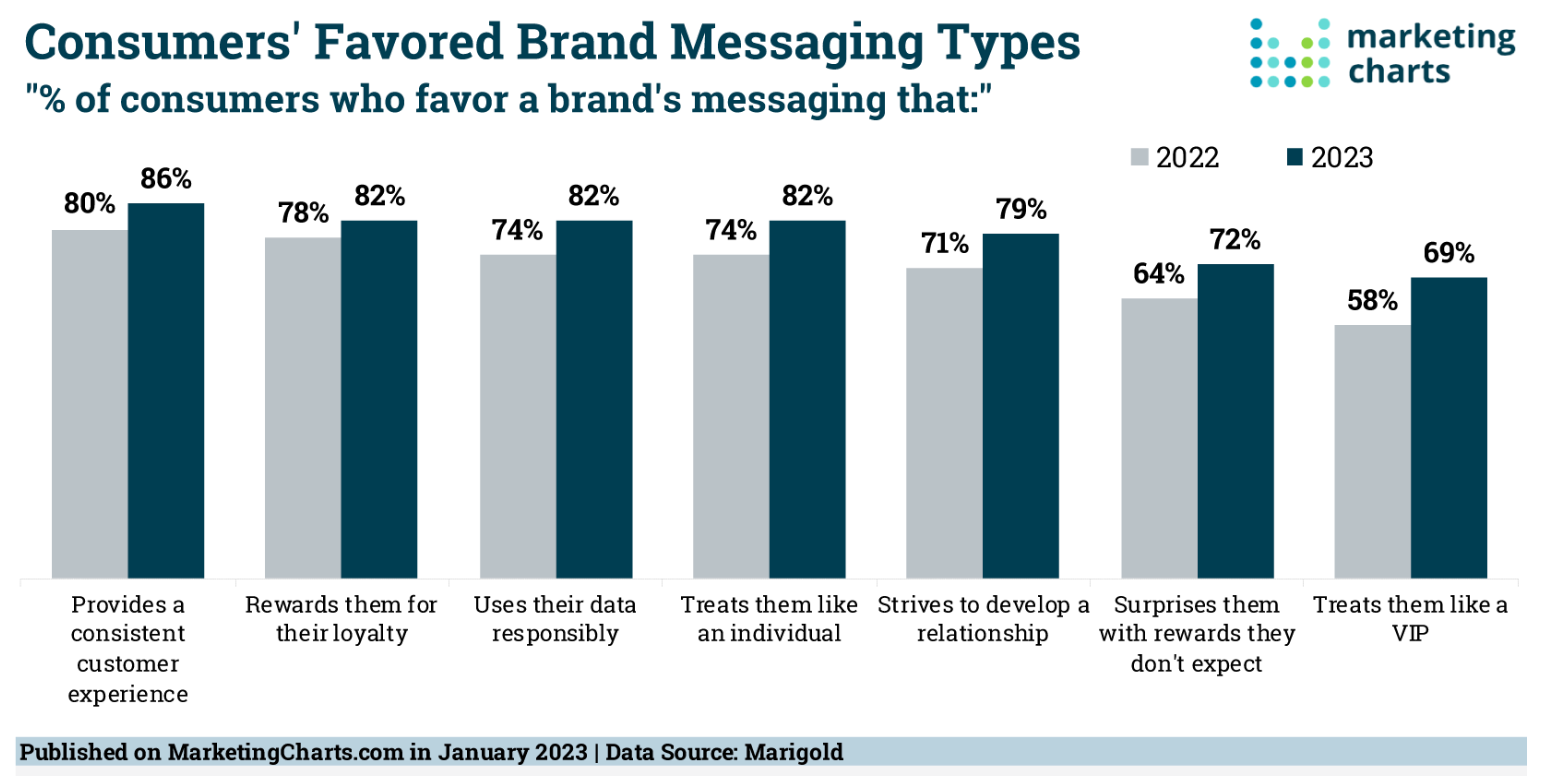
Our research at Propello reveals some striking trends. Customers now expect:
Unwavering excellence in service.
Loyalty rewards that genuinely delight.
Responsible handling of their data.
Personalised treatment and brand relationships.
A true VIP experience.
Failure to meet these demands risks losing your customer base to competitors. That’s why customer retention isn’t just important—it’s critical. It’s your chance to stand out and surpass your customers’ expectations. The payoff is substantial. You’ll get cost-effective acquisition through referrals, consistent repeat purchases, and smoother upselling and cross-selling.
It’s no wonder the top five brands across most sectors boast a staggering 94%retention rate.
In other words, the top five brands in most sectors all have one thing in common: a high retention rate.
In today’s economic climate, consumers are tightening their belts. They’re demanding more value, forcing marketers to rethink their strategies. Customer acquisition costs are skyrocketing, while consumers are spending less. The growth solution is retention, of course!
It’s why 67% of marketers across industries are pivoting from acquisition to retention.
Beyond cost-effectiveness, retention offers a host of benefits:
Builds brand loyalty.
Boosts referrals through word-of-mouth.
Increases profit margins via cross-sells and upsells.
Reduces churn during tough times.
Complements other engagement strategies.
Sets your brand apart from competitors.
At Propello, we’ve seen these benefits transform businesses time and again. Retention not only means you’re keeping customers. It’s the core component of building a resilient, growth-driven ecosystem that propels your brand forward.
The Basics of Customer Retention
To match the success of top-performing brands, you need a solid retention strategy. But before diving in, let’s cover the basics. Every business faces unique challenges, and these factors demand careful consideration when crafting your retention strategy.
Understanding the customer lifecycle
Think of the customer lifecycle as your north star for gauging loyalty. Retention is the final hurdle before a customer earns that highly-coveted ‘loyal’ badge. How you retain customers hinges on your earlier actions in the lifecycle:
What outbound methods did you use to reach leads?
Which acquisition techniques won them over?
Is your onboarding process smooth sailing from the get-go?
These early decisions shape your overall retention techniques. There are certainly universal methods at play here. For example, stellar customer support – but if you’re reaching leads through social media, why not retain them by deepening those digital connections?
A seamless onboarding process is often touted as an effective retention strategy. But if yours is already top-notch, it doesn’t need to be a short-term focus. Unless it’s not delivering, then the whole lifecycle stage should be adjusted.
Key metrics to measure customer retention
Key customer retention metrics I’d recommend following are as follows:
Customer retention rate (CRR)
Customer churn rate
Customer lifetime value (CLV)
Net promoter score (NPS)
Customer loyalty index
Repeat purchase rate
These are the fundamentals, but there are more ways to measure retention. We’ve dived deeper into retention formulas and KPIs in another article here.
The Customer Retention Process Flow
A well-structured customer retention process is the roadmap that guides companies towards improved retention rates. It should take into account your business model, purchase frequency, target audience, customer journey, and your products or services. All of these play a role in shaping the retention process.
While the specifics may vary, the backbone of any solid retention process includes two key elements:
1) An overarching strategic goal.
2) A series of short-term objectives.
These are tied to specific KPIs and metrics, tailored to your company’s unique needs. Let’s take a closer look at these.
When do customers become loyal?
Loyalty isn’t built overnight. Repeat purchases are a good start, but they’re just one piece of the puzzle. An uptick in repeat purchase rate can be a valuable KPI for measuring time-bound retention rates.
However, pinpointing exactly when a customer transitions from ‘regular’ to ‘loyal’ is tricky. It’s why understanding consumer behaviours at each stage of your customer lifecycle is crucial. This deep insight helps you identify those critical moments when retention efforts are most likely to pay off.
Long-term goals
Think of long-term goals as the big-picture strategic outcomes you’re aiming for. They’re often expressed as numeric KPIs, allowing you to measure progress against key metrics.
For instance, a long-term goal might be to improve app retention on customers’ mobile phones. It’s specific, measurable, and tied directly to customer engagement and loyalty.
Short-term objectives
If long-term goals are the destination, short-term objectives are the steps that get you there. They’re tactical, actionable, and serve the broader strategic goal.
Let’s say your long-term goal is to boost app retention by 25%. A short-term objective might be for your tech team to reduce app crashes by 90%. It’s a specific, measurable step that contributes to the larger goal of keeping users engaged with your app.
Remember, while these objectives are measured by metrics, they shouldn’t be confused with overall KPIs. They’re the building blocks that, when combined, help you achieve those broader strategic goals.
Setting Retention Goals and KPIs
Effective goal-setting is crucial for driving improvements in customer retention. Here’s how to approach it:
1. Establish your baseline: Before setting new goals, understand where you currently stand. Look at your retention rate over the past year or quarter.
2. Set realistic targets: Use industry benchmarks as a guide, but tailor your goals to your specific situation. Aim for challenging but achievable improvements.
3. Choose aligned KPIs: Select metrics that truly reflect customer loyalty and business health. Some key ones we focus on:
Customer Lifetime Value (CLV): Measures the total worth of a customer over their entire relationship with your company.
Net Promoter Score (NPS): Indicates how likely customers are to recommend your brand. This is another clear indicator of customer loyalty, and could actually be a reference point for identifying the moment customers become loyal.
Repeat Purchase Rate: Shows the percentage of customers making multiple purchases.
Customer Churn Rate: Tracks the rate at which customers stop doing business with you.
4. Set a clear timeframe: Whether it’s quarterly, annually, or another period, having a defined time frame creates urgency and allows for regular check-ins.
5. Break down long-term goals: If you’re aiming for a 20% increase in CLV over a year, what does that look like month-to-month? Breaking it down makes it more manageable and allows for easier tracking.
6. Regular reviews: Schedule monthly or quarterly reviews of your KPIs. This allows you to celebrate wins, identify issues early, and adjust your strategy as needed.
Remember, the key to effective goal-setting is balance. You want to push your team to improve, but not at the cost of customer satisfaction or employee burnout. This approach improves retention rates and fosters a culture of continuous improvement and customer-centricity.
Best Practices to Build a Customer Retention Strategy
Here’s a refined approach to building customer retention strategies:
1. Analyse current retention rates: Dive into your data. Look at churn rates, customer lifetime value, and engagement metrics. Identify where customers are dropping off and why.
2. Segment your customer base: Not all customers are the same. Group them based on behaviour, purchase history, or demographics. This allows for more targeted retention efforts.
3. Develop personalised communication: Tailor your messaging for each segment. A one-size-fits-all approach rarely works in retention. Use customer data to create relevant, timely communications.
4. Implement a feedback system: Regular surveys, focus groups, and social media monitoring can provide valuable insights. Act on this feedback to show customers you’re listening. Plus, this is a perfect way to understand when your customers become loyal. You simply need to ask them!
5. Create a value-driven loyalty programme: Go beyond simple points systems. Offer exclusive experiences, early access to products, or personalised rewards that truly resonate with your customers.
6. Invest in employee training: Your team is the face of your brand. Equip them with the skills and knowledge to provide exceptional customer experiences at every touchpoint.
7. Continuously refine your strategy: The market evolves, and so should your retention strategy. Regularly review performance and be prepared to pivot based on new data or changing customer needs.
Following these basic principles and best practices when you implement your retention strategy should yield positive results. The overall strategy will be informed by data and facts about your target audience.
Expectations, Trust, Satisfaction and Retention
In my experience leading Propello, I’ve found that a successful customer retention process hinges on four key elements: meeting expectations, building trust, boosting satisfaction, and ultimately improving retention. Here’s a closer look at each one:
1) Meeting customer expectations
Personalisation and exceptional service have become the bare minimum of what the modern consumer expects. I’ve got some statistics that prove this:
65% expect higher service standards now compared to just a few years ago.
Meeting your customers’ expectations directly impacts retention in a positive way. If all your expectations are met, you’re satisfied. And more often than not, satisfied customers stay loyal to the brand.
Personalisation is a great technique for meeting the bare minimum that keeps customers satisfied. It helps brands understand the nuances of their audiences. Some prefer emails, others texts. By catering to these individual preferences, you deepen the customer experience, laying the groundwork for trust.
2) Building trust
Trust is the bridge between new customers and long-term retention. It’s built by consistently meeting and exceeding expectations. However, it’s in short supply – despite 80% of consumers citing it as a major factor in their purchasing decisions.
That’s why we design our loyalty programmes in accordance with retention best practices. It’s putting trust-building at the core of what we do. From seamless onboarding to loyalty programmes, to swift complaint resolution, every interaction is an opportunity to demonstrate reliability and professionalism. It’s this track record that turns satisfied customers into loyal advocates for our client.
3) Making an impact with customer satisfaction
Customer satisfaction is the cornerstone of retention. It’s the tangible result of quick deliveries, efficient problem-solving, and user-friendly experiences. But its impact often goes beyond just keeping customers, turning them into brand ambassadors too!
The power of this can’t be overstated. A referred customer has a 37% higher retention rate than other leads. Imagine that. Bringing in more customers via referrals (which also happens to be the most cost-effective acquisition method) that are more likely to stick with your brand.
Why are referred customers more likely to stick with you? Because they come in with a positive predisposition, thanks to a trusted recommendation from someone they know.
4) Enhancing Customer Experience
Personalising customer interactions is key to enhancing the overall experience. This is the reason why the Propello platform is designed to integrate with our clients’ CRMs. Our data dashboards clearly lay out the data that clients can leverage to understand individual preferences and behaviours. This allows clients to tailor communications, offers, and even product recommendations.
On another note we’ve found success in implementing AI-driven chatbots for 24/7 support, coupled with human touch points for complex issues. It’s about creating a seamless, omnichannel experience that anticipates and meets customer needs at every turn.
5) Implementing Loyalty Programmes
Loyalty programmes are powerful tools for retention, but they need to offer genuine value. We’ve moved beyond simple point systems to create experiential rewards that resonate with our clients’ customers.
For instance, we’ve helped implement tiered programmes that offer exclusive access to new products, personalised services, and co-created benefits via unique brand partnerships. The key is to make customers feel truly valued, rather than another number in a database.
Reap the Rewards of Better Retention
When you nail retention, you create a virtuous cycle. Satisfied customers become your best marketers, bringing in pre-qualified leads through referrals. These new customers, in turn, are more likely to stick around. The beauty of this system is its cost-effectiveness. By focusing on retention, you’re creating a sustainable growth engine, as your satisfied customers naturally recommend your brand to others.
But all that comes down to building a quality service that consistently exceeds expectations. That leads to trust, and ultimately, drives down acquisition costs of new customers while boosting the lifetime value of both existing and new customers.
By implementing everything we’ve discussed here, you’re setting up the means by which to identify the moment satisfied customers convert into loyal brand advocates.
FAQs
What is customer retention and why is it important?
Customer retention is a company’s ability to keep customers engaged over time. It’s crucial as it’s more cost-effective than acquiring new customers, drives sustainable growth, and increases customer lifetime value. High retention rates indicate superior experiences and lead to increased referrals and brand loyalty.
How do you measure customer retention?
Key metrics include Customer Retention Rate (CRR), Customer Churn Rate, Customer Lifetime Value (CLV), Net Promoter Score (NPS), and Repeat Purchase Rate. These gauge loyalty, satisfaction, and strategy effectiveness. Regular analysis helps identify trends and areas for improvement in customer retention efforts.
What are effective strategies for improving customer retention?
Effective strategies include personalising interactions, implementing loyalty programmes, providing excellent service, and creating seamless onboarding. Key tactics involve gathering and acting on customer feedback, segmenting your customer base, and continuously refining your approach based on data and market changes.
How does customer satisfaction impact retention?
Customer satisfaction is crucial for retention. Satisfied customers are more likely to make repeat purchases and recommend your brand. It results from quick deliveries, efficient problem-solving, and user-friendly experiences. High satisfaction can lead to a 37% higher retention rate for referred customers.
What role do loyalty programmes play in customer retention?
Loyalty programmes are powerful retention tools. Effective programmes go beyond point systems, offering personalised rewards or exclusive experiences. They make customers feel valued and increase repeat purchases. Well-designed programmes also provide data for personalised customer experiences.
How does the customer lifecycle relate to retention?
The customer lifecycle guides retention efforts, from lead generation to post-purchase engagement. Understanding each stage helps identify critical moments for retention. A seamless experience throughout, especially during onboarding, can significantly impact long-term customer retention and loyalty.
What are the benefits of focusing on customer retention?
Benefits include increased customer lifetime value, reduced acquisition costs, higher profit margins through cross-sells and upsells, and improved brand loyalty. It leads to more referrals, helps buffer against market volatility, and provides a competitive edge in crowded markets.
How can businesses build trust with customers to improve retention?
Build trust by consistently meeting expectations, providing transparent communication, handling data responsibly, and quickly resolving issues. Implement reliable onboarding processes and maintain excellent service. Trust is crucial for long-term retention and turning customers into brand advocates.
What role does personalisation play in customer retention?
Personalisation is key to meeting modern consumer expectations. It involves tailoring communications, offers, and experiences based on individual preferences and behaviours. Effective personalisation can enhance satisfaction, increase engagement, and make customers feel valued, improving retention rates.
How can businesses set effective retention goals and KPIs?
Set a baseline, choose realistic targets based on industry benchmarks, and select aligned KPIs like CLV, NPS, and Churn Rate. Set clear timeframes, break long-term goals into short-term objectives, and regularly review progress. Be prepared to adjust strategies based on performance and market conditions.
Mark Camp
Mark is the Founder and CEO of Propello Cloud, an innovative SaaS platform for loyalty and customer engagement. With over 20 years of marketing experience, he is passionate about helping brands boost retention and acquisition with scalable loyalty solutions.
Mark is an expert in loyalty and engagement strategy, having worked with major enterprise clients across industries to drive growth through rewards programmes. He leads Propello Cloud’s mission to deliver versatile platforms that help organisations attract, engage and retain customers.
Start your customised Propello Cloud journey today
Explore the platform’s scalability, features and customisation options and get answers to your unique questions.