The Complete Guide to Financial Services Loyalty Programs
25 min to read
Published: June 18, 2024
Updated: July 20, 2026
Customer loyalty is the foundation of any successful business. This is even more true for businesses in the financial sector. Creative strategies like financial services loyalty programmes make a difference for businesses looking to thrive in the industry.
Mark Camp
CEO & Founder at PropelloCloud.com
Contents
Key Takeaways
Around 90% of businesses reward devoted customers through loyalty programmes.
Financial service loyalty programmes help businesses encourage repeat business, attract new customers, and enhance user engagement.
Loyalty programmes offer several benefits, including increased customer retention, engagement, competitive advantage, and valuable data insights.
Common types of loyalty programmes in financial services include points-based, tier-based, cashback, partner, referral, and gamification programmes.
Best practices for creating successful loyalty programmes involve aligning with customer needs, designing engaging experiences, choosing the right rewards, and measuring performance.
Over 75% of people are willing to invest in mobile-friendly loyalty programmes, highlighting the importance of accessibility.
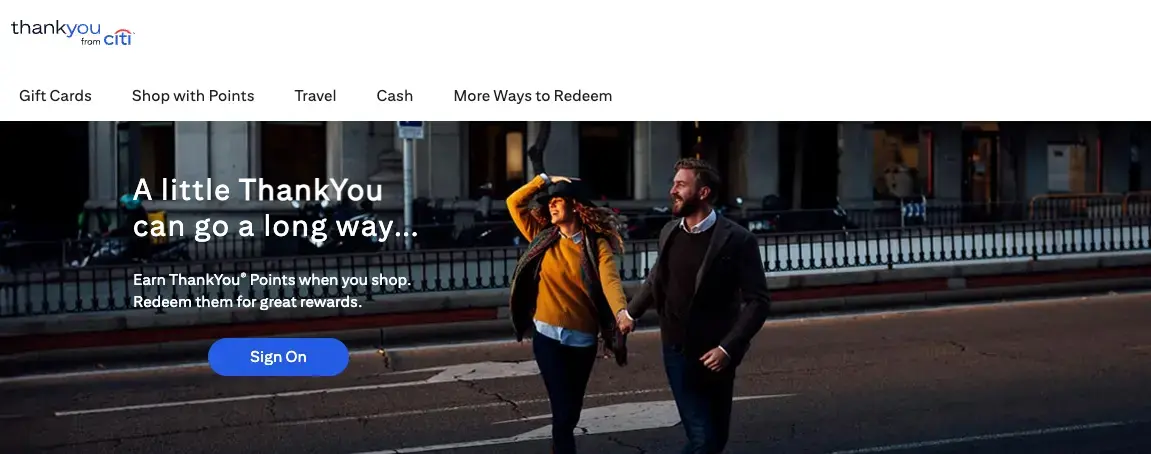
Examples of successful loyalty programmes include Club Lloyds, Bank of America's BofA Rewards, American Express Membership Rewards, and Citi ThankYou Rewards.
By offering personalised, accessible, and socially responsible loyalty programmes, financial services businesses can nurture customer loyalty and achieve sustained growth.
Financial services loyalty programs are exactly what modern businesses need to get an edge over the competition and drive customer engagement.
Technology continues to redefine the world of business, influencing financial service businesses and the products that they provide. Innovative solutions like mobile and digital banking set the standard for convenient, personalised, fast, and user-friendly customer service.
Customers expect nothing short of this tailored approach that targets their pain points and enhances the overall user experience. The modern marketplace offers customers more freedom of choice as financial service providers struggle to meet these ever-changing consumer demands.
About90%of businesses reward devoted customers via a loyalty programme.
Loyalty programmes improve the value that your customers get from your services. It’s an effective technique for increasing customer retention and reducing customer churn. It also drives business growth and enhances the reputation of your business.
What is a Financial Service Loyalty Programme?
Financial service loyalty programmes help businesses reward and encourage repeat business from their customers. It is a form of incentive marketing that builds trust and loyalty between a business and its customer base.
Customers receive extra benefits and value beyond their original purchase via incentives such as discounts or gift cards.
Credit card rewards programmes, airline mile programmes, and banking and investment service loyalty programmes are all excellent examples. Customers who participate in these programmes enjoy perks like free flights, discounted prices, giveaways, and cash-back offers on their purchases.
What Types of Loyalty Programmes Do Financial Services Use?
There are several loyalty programmes available to financial services businesses looking to attract new customers, retain existing ones, and improve user engagement with their products and services.
Here are some of the common approaches that financial services businesses use to create their loyalty programmes:
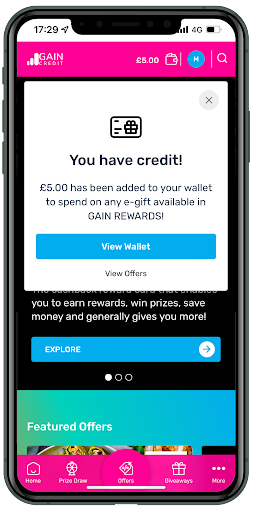
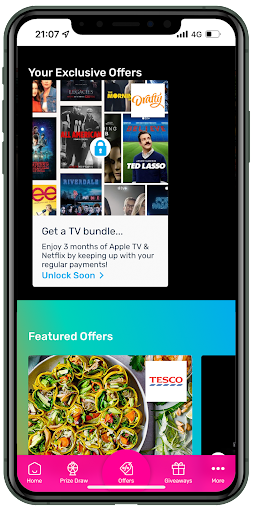
Always-on programmes featuring brand partners
Always-on programmes featuring closely aligned brand partner offers involve rewarding your loyal customers with exclusive offers that add additional value to their policy or financial product. This often means offering them a partner brand’s products and services at a discounted rate after they make repeat purchases.
“GAIN Credit has been working with Propello Cloud to deliver exceptional value to our customers. With the cost-of-living crisis impacting everyone, we’re so pleased that we can offer even more ways for our customers to make real savings.”
Alex Woodcraft (Marketing Director) | Gain Credit
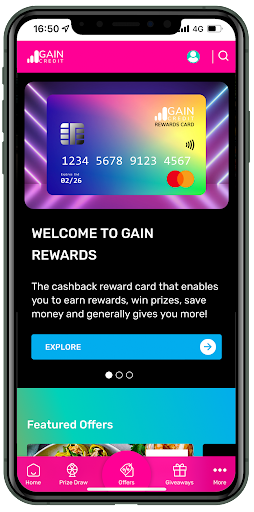
Cashback programmes
In these programmes, repeat customers are rewarded with a percentage of their spending. This could be in cash, deposited into their accounts, or store credit for future purchases.
Referral programmes
These programmes leverage the power of word-of-mouth marketing to increase your marketing reach and lead conversion rate. This approach can be a game-changer as over…
88% of people trust referrals made by friends and family over other marketing channels, according to Nielsen’s Trust in Advertising study.
In referral programmes, customers are rewarded for each lead or referral they bring in. A popular example includes fintech apps that give an existing customer a unique code to invite friends and family to sign up. Customers earn monetary rewards or special deals when leads sign up with the code and meet the minimum engagement or spending limit.
Gamification programmes
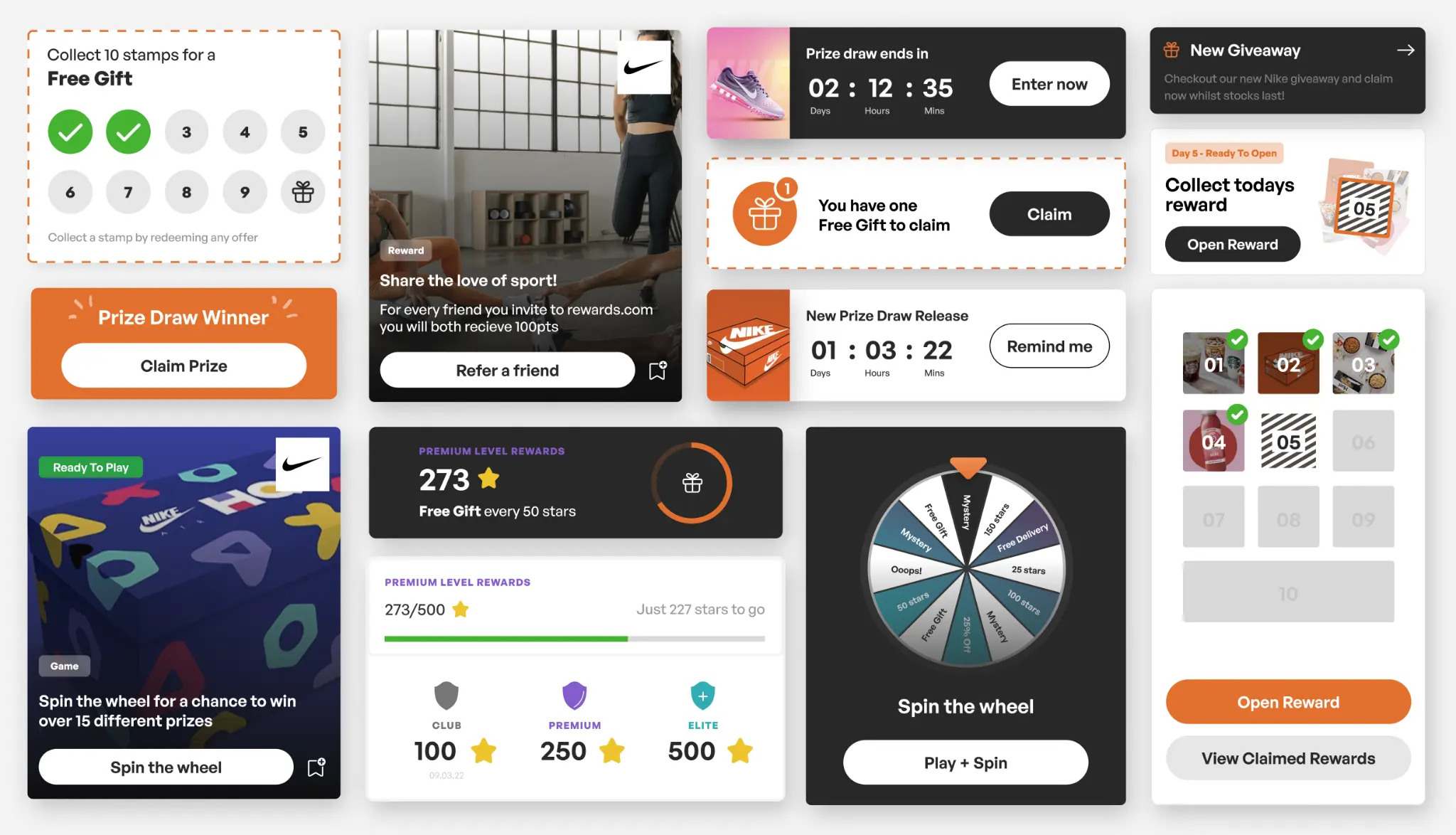
Gamification is an innovative technique that can supercharge your loyalty programme. Customers complete gamified challenges and tasks (possibly related to financial literacy) to gain access to rewards and climb up the loyalty ladder. It’s important to note that while each of these approaches has its benefits, there are potential downsides. You must carefully consider the options to choose the one that best meets your customers’ needs and supports your business objectives.
Your financial services loyalty programme must be aligned with your overall marketing strategy and offer customers real value. It must be reviewed and revised regularly to ensure that the programme remains relevant and effectively supports your customer retention strategy.
Points-based programmes
In this approach, customers earn points after each purchase. Once they’ve earned enough points, they can redeem them for discounts, freebies, or other types of rewards.
Tier-based programmes
This system involves grouping customers into tiers or levels with unique benefits. The customer’s engagement and purchase history will determine which tier they fall into. High-tier customers get better offers, such as priority customer support, exclusive event access, or personalised offers.
What Are the Best Practices for Financial Services Loyalty Programmes?
When designing and implementing your programme, there are some other important factors to integrate into your plan:
1) Choose the right loyalty programme rewards and benefits
The rewards you offer will often make or break your loyalty programme. Here are some tips to help you make the right choices.
Provide financial and experiential rewards: Reinforcing behaviours with financial incentives – such as cashback or discounts – offers distinct value that saves customers money. But experiential bonuses – such as exclusive events or travel perks – create memorable experiences that connect customers to your brand.
Form partnerships: Partner with complementary brands to provide rewards that resonate with customer interests and lifestyles. Partnerships encourage customers to spend more, improve programme value, and create opportunities for customer acquisition and cross-promotion.
Reward relevance and aspirational value: Rewards must be relevant to each customer’s interests and needs. Aspirational rewards, such as luxury experiences or exclusive access to events, can motivate your target audience to engage more with the programme.
2) Leverage personalisation
This is a powerful technique for increasing customer satisfaction and engagement with your programme.
Bond’s 2025 Loyalty Report found that members only consider one-third of loyalty programmes as truly valuable. These members see personalised access and experiences as the most important factor in determining perceived value.
Analyse customer preferences and behaviour and use that information to personalise rewards and product recommendations to meet their present and future needs.
3) Make it engaging and user-friendly
Here are some helpful ideas to improve engagement and accessibility in your loyalty programme.
Simplifying programme enrolment and reward redemption processes
This step is crucial to encouraging participation and maintaining customer satisfaction. By streamlining these processes, potential customers are more likely to join the programme and remain active participants.
Leveraging mobile app integration and digital wallets for convenience
Did you know that over 75% of people are willing to invest in mobile-friendly loyalty programmes? Customers expect easy access in real time across multiple channels that provide a more user-friendly experience.
This accessibility should cut across mobile apps, digital wallets, online banking platforms, and even physical locations for the complete omnichannel experience.
Focusing on engagement and accessibility can lead to increased customer spend, improved customer retention, and ultimately a positive impact on your bottom line. A user-friendly loyalty programme also provides valuable data insights, allowing you to tailor marketing campaigns and customer service teams to serve customers better.
4) Maintain transparency
Your loyalty programme must have clear and concise terms and conditions. Transparency is vital to keeping customers informed on how to earn and redeem rewards. Ensure that you notify them about fees, restrictions, and possible reward expirations.
5) Promote social responsibility – ESG (Environmental, Social and Governance)
Consumers demand more from the brands they support and patronise. They expect their preferred brands to take a strong stance on several social issues.
You can support social responsibility by rewarding customers for eco-friendly behaviour. Another viable option is to partner with social impact organisations that address issues that are important to your customers.
6) Measure and optimise loyalty programme performance
It’s essential to define a set of key performance indicators (KPIs) that correspond with the objectives of your financial services loyalty programme. These KPIs should be monitored and analysed regularly to assess programme effectiveness.
Customer engagement rates
Redemption rates
Customer lifetime value
Net promoter scores
Customer retention rates
New customer acquisition
Customer spend per transaction
Frequency of transactions
Another way to measure programme performance is to consider its return on investment (ROI). Comparing the costs with the benefits (such as higher customer spends and retention) reveals the programme’s impact on your overall revenue and what changes should be made to optimise it.
What Are Some Examples of Loyalty Programmes in Financial Services?
Here are some real-world examples of loyalty programmes in the financial services industry.
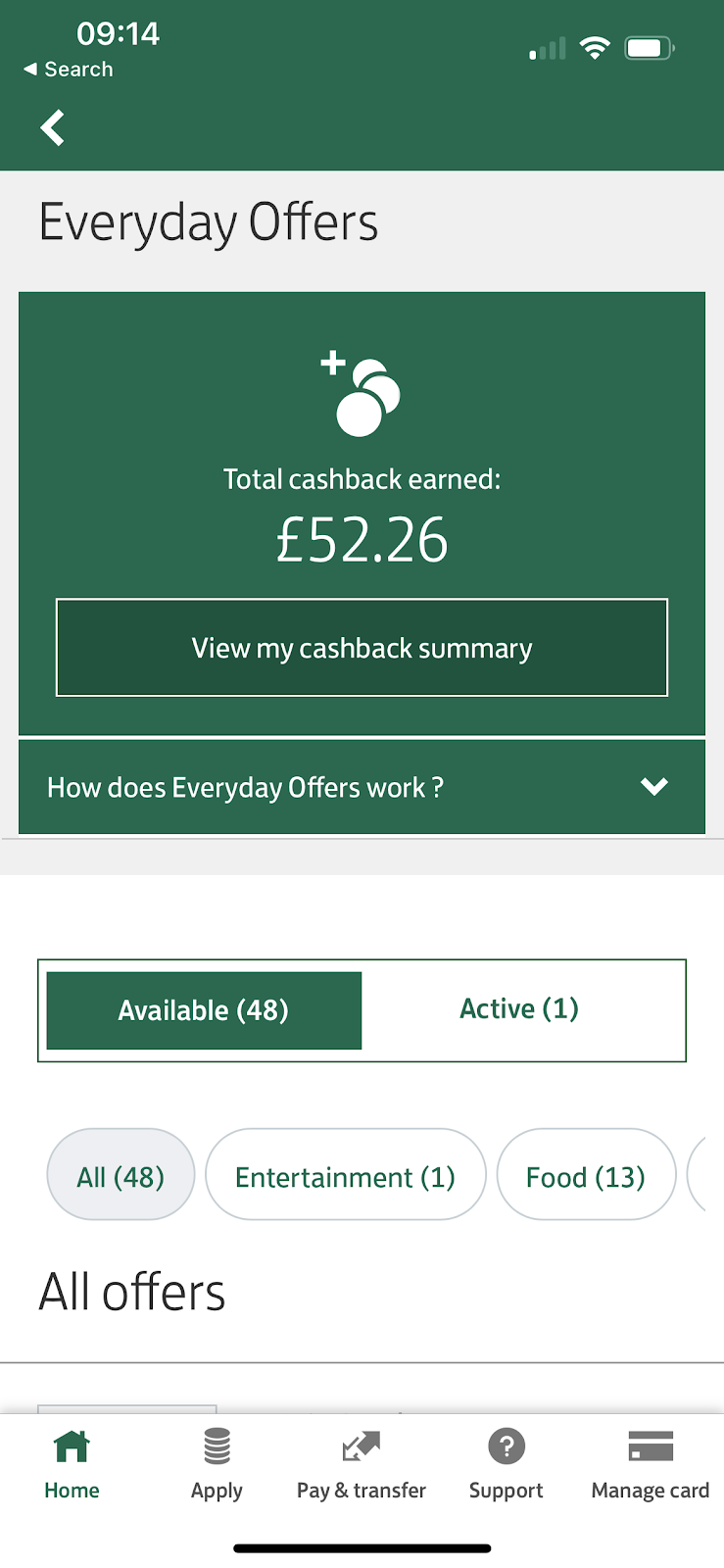
Club Lloyds
Club Lloyds provides customers with fair value through exclusive perks and rewards that their customers simply can’t get enough of.
Core perks include:
Members can choose an annual lifestyle benefit like a magazine subscription, Disney+, movie tickets, or deals at restaurants
With a Visa debit card, members can get up to 15% cash back at select stores
Lower mortgage rates for first-time buyers and people moving homes
Other programme features include:
Two paid upgrades, Club Lloyds Silver (at £16.50 a month) and Club Lloyds Platinum (at £27.50 a month), offer extra benefits like breakdown cover, travel insurance, and mobile phone insurance
Worldwide cover up to the age of 80 for Platinum members, compared with European cover reaching age 65 for Silver members
Instead of having a separate points system, the rewards programme directly gives members cash back when they use their debit cards at certain stores
Bank of America’s BofA Rewards programme
This programme provides privileges with tiered benefits based on balances across accounts. Key features are:
Tiered Benefits: Members can choose from the Member, Preferred Plus, Preferred Honours, and Premier tiers, and as a customer’s account balance grows, they get more benefits.
Upgraded Credit Card Rewards: Depending on their tier, members can get between 10% and 75% bonuses on credit card rewards.
Other Perks: Lower banking fees, cash-back deals from more than 15,000 brands, subscription credits at higher tiers, and better protection against fraud and identity theft.
Eligibility: Free for anyone with a personal checking account; there is no minimum balance needed to join. When your combined three-month average balances across Bank of America and Merrill accounts reach $30,000, $100,000, or $1 million, you can move up to a higher tier.
What Challenges Do Financial Services Loyalty Programmes Face?
Building a successful loyalty programme comes with its fair share of challenges. Here are some common challenges you might face and how to overcome them.
Addressing data privacy and security concerns
In the financial services sector, data privacy and security are a must. You must provide strong data protection via encryption, secure storage, and limiting access controls. Transparency in data collection and usage practices, along with clear communication with customers, can help build trust and alleviate concerns.
Maintaining programme simplicity and transparency
Maintaining simplicity and transparency is crucial to driving programme adoption and end-user engagement, as overly complex rules and redemption processes will affect participation.
Your goal in rolling out a loyalty programme should be to simplify the value proposition for customers. Make it easy to join and stay engaged.
Continuously innovating and adapting to market trends
Your loyalty programme has to evolve along with changing financial services trends. Technologies, such as AI and machine learning, continue to redefine how businesses personalise experiences and rewards.
You should routinely track industry best practices and consumer preferences. Be among the first to deliver what loyal customers want before they start chasing deals elsewhere.
Integrating loyalty programmes with overall financial services marketing strategies
Loyalty programmes exist to align with and support the values of the parent brand, the segmentation of the core audience, and the business goals.
In particular, merging loyalty programme messaging and benefits into your broader marketing campaigns elevates the customer experience. Making it more cohesive and mutually reinforcing creates the kind of consistency that drives long-term loyalty and profit.
Customers today have more financial service providers to choose from than ever, which makes loyalty harder to win and easier to lose.
A well-designed loyalty programme gives customers a reason to stay by rewarding the behaviours that matter most to your business.
Understand what your customers value, then build a programme around those values.
Personalised rewards, clear and simple terms, and easy access across mobile, online, and in-branch channels all help customers feel recognised.
Financial services loyalty programmes that combine personalisation, tiered benefits, and seamless multi-channel access give businesses a real edge, encouraging customers to stay engaged and spend more over time.
FAQs
What are the primary benefits of financial services loyalty programmes?
Financial loyalty programmes offer rewards, discounts, and exclusive benefits, encouraging repeat business and boosting customer retention. They provide insights into customer behaviour and preferences, allowing financial institutions to personalise their services and improve customer satisfaction.
How do financial services loyalty programmes work?
Customers earn points, miles, or cashback for using the institution’s products or services. These rewards can be redeemed for various benefits, such as discounts, gift cards, exclusive experiences, and more. The more customers engage with the financial institution, the more rewards they earn.
What types of loyalty programmes are commonly used in the financial sector?
Common loyalty programmes in the financial sector include points-based systems, tiered membership levels, co-branded credit cards, and partnership programmes. These programmes are designed to incentivise customers to use the institution’s services more frequently and maintain long-term relationships.
How do loyalty programmes enhance customer engagement?
Loyalty programmes enhance customer engagement by providing incentives for customers to interact with the institution regularly. By offering rewards and personalised experiences, financial institutions can create an emotional connection with customers, leading to increased loyalty and advocacy.
What are the best practices for creating a successful loyalty programme?
Best practices for creating a successful loyalty programme include understanding customer preferences, offering meaningful rewards, simplifying the redemption process, regularly communicating with members, and continuously analysing and refining the programme based on customer feedback and data insights.
Why is personalisation important in loyalty programmes?
Personalisation shows the customers that the financial institution values and understands their unique needs and preferences. By tailoring rewards, communications, and experiences to individual customers, financial institutions can build stronger relationships and increase customer satisfaction.
How do loyalty programmes provide valuable data insights?
Loyalty programmes generate valuable data on customer transactions, preferences, and behaviour. Analysing this data helps identify trends, segment customers, and develop targeted marketing campaigns. Institutions can also use these insights to improve their products and services to meet customer needs.
What challenges do financial institutions face when implementing loyalty programmes?
Challenges faced by financial institutions include integration with existing systems, ensuring data security and privacy, managing programme costs, and maintaining programme relevance and value to customers over time. They must also navigate complex regulations and compliance requirements.
How can financial services loyalty programmes be made more accessible to customers?
Financial services businesses can make their loyalty programmes more accessible by offering several redemption options, providing clear and concise programme information, and ensuring easy enrolment and participation across multiple channels, such as online, mobile, and in-person.
What are some examples of successful loyalty programmes in the financial services industry?
Examples of loyalty programmes in financial services include American Express Membership Rewards, Chase Ultimate Rewards, and BofA Rewards. They offer a wide range of redemption options, personalised benefits, and seamless integration with the institution’s products and services.
Mark Camp
Mark is the Founder and CEO of Propello Cloud, an innovative SaaS platform for loyalty and customer engagement. With over 20 years of marketing experience, he is passionate about helping brands boost retention and acquisition with scalable loyalty solutions.
Mark is an expert in loyalty and engagement strategy, having worked with major enterprise clients across industries to drive growth through rewards programmes. He leads Propello Cloud’s mission to deliver versatile platforms that help organisations attract, engage and retain customers.
Start your customised Propello Cloud journey today
Explore the platform’s scalability, features and customisation options and get answers to your unique questions.